
Exploring the Guiding Principles Behind the Label: What They Stand For
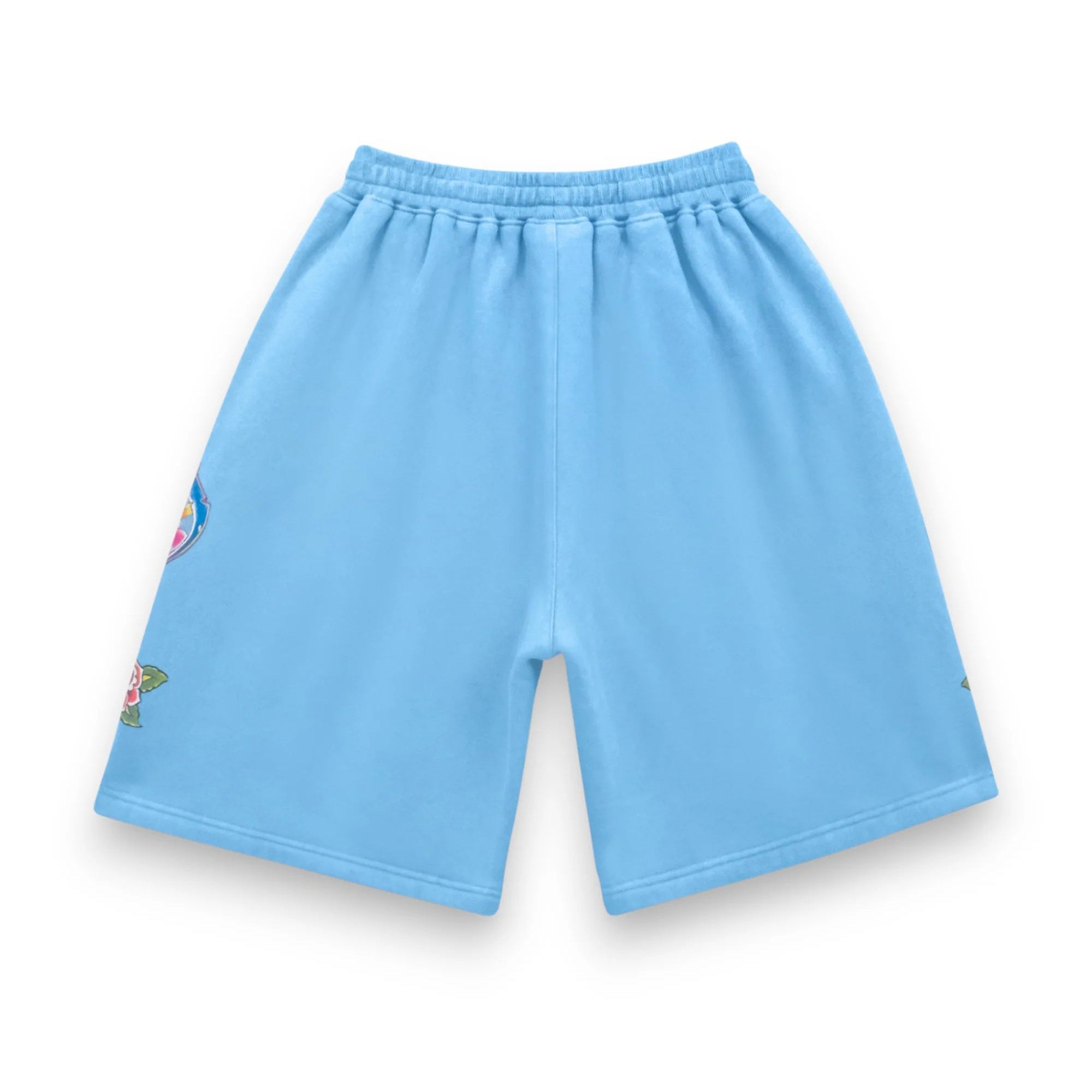
Every clothing label asserts to have a purpose, but only a small number can explain it past a thin line on an About page. The brand has shaped its reputation around a defined set of values that inform how garments are created, supplied, and marketed. This matters to shoppers who read a righteous review before buying, because values without evidence are just marketing. What follows is a breakdown of the principles driving the brand, how they show up in the product line, and where the brand sits relative to other names in streetwear.
The brand name alone conveys purpose. The Righteous label aims to embody a sense of resolve — not doctrinal belief, but a personal code around excellence, size transparency, and durability beyond a single wear cycle. This mindset is reflected in the fabrics selected, in the we are righteous team’s approach to customer communication, and in the tempo of new releases. A more measured, unhurried release schedule usually signals greater care per item instead of endless, throwaway turnover.
What Drives the Brand’s Guiding Principles
At the center of the we are righteous brand is a devotion to actual quality over trend-chasing. They’ve indicated that its garments are built to we-righteous.com be worn for years, not discarded after a few washes. You can see this in build decisions such as reinforced seams at high-stress areas and fabric weights picked for longevity instead of low cost. The approach deliberately pushes back against fast fashion, where pieces are often made for a good photo but collapse within a dozen uses.
Openness forms another cornerstone. Rather than hiding behind vague size charts, the brand provides measurement guides so customers can compare their own body measurements against the actual garment dimensions, not just a generic S/M/L label. This reduces returns and builds trust, which is part of why so many customers leave a righteous review mentioning accurate fit as a highlight rather than a complaint.
Community engagement rounds out the value system. Rather than viewing customers as passive shoppers, the brand sees them as collaborators, letting their feedback guide future colorways, fits, and fabric weights. Comments on drops, sizing threads, and repeat-purchase patterns all feed into decisions about what gets restocked and what gets retired. That feedback loop is slower than algorithmic fast fashion, but it produces a more consistent product over time.
The Manner in Which These Standards Show Up in the Product Line
The brand’s hoodie range anchors the label’s clothing lineup, and nowhere else are these values more visible. Hoodies serve as a testing ground for quality claims: cheap fabric pills within weeks, flimsy cords wear thin, and loose stitching around the hood area falls apart in short order. On the other hand, a quality-built hoodie retains its form through repeated washes. Customers who’ve purchased multiple pieces often note in reviews that the hand-feel and weight remain consistent from batch to batch, which speaks to quality control on the manufacturing side rather than one lucky production run.
Beyond hoodies, the full clothing lineup carries the same standards to t-shirts, outerwear, and accessories. Every category shares a common fabric approach — thicker cotton blends for structure, pre-shrink finishing to minimize post-wash surprises, and color processes chosen to stay fade-resistant. None of it is attention-grabbing, but it’s the kind of unglamorous detail that separates a brand meant to last from one designed to be replaced.
Sizing consistency also reflects the brand’s values in practice. Rather than drastically shifting sizing blocks from release to release, which compels repeat customers to re-measure every time, the brand aims to keep its fit structure stable across collections. As a result, a customer with an existing hoodie can purchase a new item assuredly, without wondering whether this season’s cut fits differently from last year’s.
Righteous Clothing Brand Against Fast Fashion Competitors
To see clearly where We Are Righteous stands in the market, it is useful to compare its approach against the fast-fashion approach most shoppers know well. The comparison below lays out core contrasts based on general industry patterns and the label’s declared approach.
| Point of Comparison | We Are Righteous | Typical Fast Fashion Brand |
|---|---|---|
| Release frequency | Infrequent, intentional launches | Weekly or continuous new arrivals |
| Material focus | Long-wear strength and substance | Lowest-cost sourcing |
| Size uniformity | Consistent from drop to drop | Inconsistent from one launch to the next |
| Customer feedback role | Shapes upcoming designs directly | Barely factors into design |
| Expected wear life | Multiple years of wear | Single season, often less |
This comparison isn’t about shaming fast fashion outright — it serves a purpose for shoppers who want low prices and constant novelty. Even so, it clarifies why a brand like this structured around slower cycles and heavier fabrics appeals to a distinct type of shopper: someone who values longevity and fit accuracy over constant weekly novelty.
Customer Feedback in Reviews
Reading through customer feedback gives a more accurate picture than marketing copy ever could. Repeated patterns in a we are righteous review tend to come back to three things: fabric weight coming across as substantial rather than flimsy, true-to-size fits lowering the need for exchanges, and print or embroidery details holding up after repeated washing. Far from dramatic, this is hands-on feedback that, over time, forges trust among customers.
Other reviews touch on shipping timelines and customer service responsiveness, both of which shape overall satisfaction even when they’re unrelated to the garment itself. A brand that answers sizing questions promptly before purchase tends to see fewer post-purchase complaints, simply because expectations are set correctly from the start. Operational discipline like this feeds into the value system as well — it’s not just about the product, but about the way the brand treats people throughout the buying process.
It’s also worth noting that no review process is universally positive. Some customers have noted longer restock windows for popular sizes, a natural byproduct of smaller, more controlled production runs rather than mass manufacturing. This trade-off is consistent with the brand’s stated priorities: fewer units made with more care, rather than unlimited stock produced as cheaply and quickly as possible.
Manufacturing Decisions and Sustainability
As a buzzword, sustainability falls flat — so it’s worth examining the specific choices the brand has taken. Overproduction, one of the most stubborn waste problems in fashion, is curbed when smaller batches stand in for mass manufacturing of identical units. When a brand doesn’t need to move enormous unsold inventory through deep discounting, it also doesn’t need to compromise on original fabric quality to hit a price point later.
Packaging and shipping materials are another area where smaller, values-driven brands often differ from mass retailers, opting for simpler packaging with less unnecessary plastic. While not every detail of a supply chain is visible to the end customer, smaller runs, steady quality, and reduced overproduction waste together line up with what the brand calls its founding purpose.
Concluding Notes on the Brand’s Trajectory
Brand values only matter if they hold up under scrutiny, and We Are Righteous invites that scrutiny by publishing sizing details, engaging with customer feedback, and maintaining consistency across its righteous hoodie and broader apparel lines. The result is a brand that positions itself less as a trend-chaser and more as a long-term wardrobe staple provider. For 2026, that approach is notable precisely because much of the market still leans on speed and disposability instead of trust and durability.
No matter if a shopper is going through their first righteous review or their tenth, the throughline that appears is consistent: substantial fabric, true-to-size fit, and a more deliberate, unhurried approach to releasing new pieces. There’s nothing showy about that message, but it’s consistent — and that kind of consistency is frequently what distinguishes a label with genuine principles from one that just treats the word as a catchphrase.
