Can a Beneficiary Sue an Executor in California?
September 17, 2026

When an executor stops communicating, estate property appears to be missing, or distributions do not match the will, a beneficiary may ask an urgent question. Can a beneficiary sue an executor in California? The short answer is yes, a beneficiary may have legal options, but a lawsuit is not automatic. The right response depends on the will, the probate case, the executor’s conduct, the beneficiary’s legal interest, and the evidence of harm.
Contact Lawvex about your California inheritance concern or call 1 (888) 308-7003.
Answer in brief: A California beneficiary may ask the probate court for information, an accounting, instructions, or enforcement of an executor’s duty. A separate claim or court petition may be available when the executor appears to have breached a legal obligation. A beneficiary generally needs more than frustration or suspicion. The facts should show what duty applied, what happened, and how the estate or beneficiary was affected.
Executor disputes can involve legal and family pressure. Before escalating, preserve the will, notices, filings, account records, and communications. A focused information request or accounting may resolve a misunderstanding. If the concern involves self-dealing, improper distribution, concealed property, or serious delay, prompt California-specific advice can help protect available options.
How can a beneficiary sue an executor in California?
Answer in brief: Sometimes. A beneficiary may ask a California probate court to review an executor’s conduct, require information, compel an accounting, or seek a remedy for a breach of duty. Being unhappy with an executor’s decision does not automatically create a lawsuit or guarantee a particular result. The available remedy depends on the will, the estate’s assets, the executor’s authority, the beneficiary’s legal interest, and the facts supporting the complaint.
In probate, the executor is generally the personal representative responsible for administering the decedent’s estate. That can include identifying and protecting property, addressing debts and taxes, following court requirements, and distributing assets according to the will and applicable law. The executor does not own the estate property for personal use. The role carries legal responsibilities to the estate and its interested parties.
A beneficiary’s concern becomes more significant when the executor appears to be withholding information. Delaying administration without explanation, mismanaging property, favoring one person improperly, or distributing assets contrary to the governing documents. California law also requires a personal representative to file an inventory and appraisal of property being administered with the court clerk. The precise duties and deadlines, however, can vary with the proceeding and the estate’s circumstances.
Before filing anything, a beneficiary should identify the specific harm and preserve the available record. That may include the will and amendments, probate filings, notices, account statements, appraisals, property records, and communications with the executor. A request for information or an accounting may resolve a misunderstanding, while evidence of serious misconduct may call for a court petition or another remedy. Review the guidance on California trust beneficiary rights carefully, because trust administration rights and probate beneficiary rights are related but not identical.
It is also important not to confuse an executor dispute with a trustee dispute. An executor administers a probate estate after death. A trustee manages property held in a trust under the trust instrument. If the disputed asset is in a trust, the relevant duties, documents, and court process may be different. The article on California trust accounting duties addresses that separate context.
If you are unsure whether the facts support action, you can contact Lawvex at 1 (888) 308-7003 for a focused review of the documents and administration history. A California estate and probate attorney can help distinguish a communication problem from a genuine fiduciary breach without promising that a claim will succeed.
What can an executor be sued for?
Answer in brief: An executor may face a court challenge when conduct appears to breach duties, deprive the estate or beneficiaries of value, or prevent the administration from moving forward. A disappointing result, a communication gap, or ordinary probate delay is not automatically misconduct. The important questions are what the will and California law required, what the executor did, and whether the conduct caused identifiable harm.
Potentially actionable conduct can include a fiduciary breach, such as putting personal interests ahead of the estate’s interests. Examples may include using estate funds for personal expenses, taking unauthorized compensation. Favoring one beneficiary without legal justification, or selling estate property to a related person on terms that appear unfair. A conflict does not prove wrongdoing by itself, but it warrants closer review of the transaction, disclosures, valuation, and court approval if applicable.
Beneficiaries may also question an executor who makes distributions before debts, taxes, claims, or ownership issues are resolved. An improper distribution can be especially serious when it leaves the estate unable to pay valid obligations or gives one person property that belongs to someone else. The analysis should account for the governing will, the asset’s ownership, and the procedural stage of the case. See Lawvex’s guide to executor powers and fiduciary limits for related guidance, while remembering that a trust executor or trustee may have a different role from a probate personal representative.
Missing records can raise concerns, particularly when the executor will not explain where assets went or how expenses were calculated. California Probate Code section 8800 generally requires a personal representative to file an inventory and appraisal within four months after letters are first issued to a general personal representative. Partial inventories may be permitted in appropriate circumstances, but the required filings still need to be completed within the allowed period. An inventory identifies estate property, ownership, and estimated value. That information can help reveal whether assets were omitted or misclassified.
- Unexplained withdrawals, transfers, or expenses from an estate account.
- Self-dealing, undisclosed conflicts, or a sale of property at a questionable value.
- Distributions that disregard the will, court orders, creditor claims, or ownership records.
- Failure to provide required information, inventory, appraisal, or accounting.
- Delay that goes beyond the normal steps of administration and causes measurable harm.
Timing matters. California formal probate commonly involves opening the case, administration, and closing. The process typically takes nine to 18 months or longer. Silence during that process is not enough to establish a claim. A beneficiary should compare the executor’s conduct with the case docket and required milestones. Preserve documents showing a specific loss. Lawvex’s overview of California probate guidance can help explain the broader process before deciding whether court intervention is appropriate.
| Concern | What to check | Why it matters |
|---|---|---|
| Missing asset | Inventory, ownership records, and appraisal | An omitted or misclassified asset can affect distribution. |
| Questionable expense | Invoices, account statements, and authorization | Records help distinguish an estate expense from personal use. |
| Delayed distribution | Docket, debts, taxes, claims, and pending tasks | Delay may be ordinary administration or may require explanation. |
What evidence should a beneficiary gather?
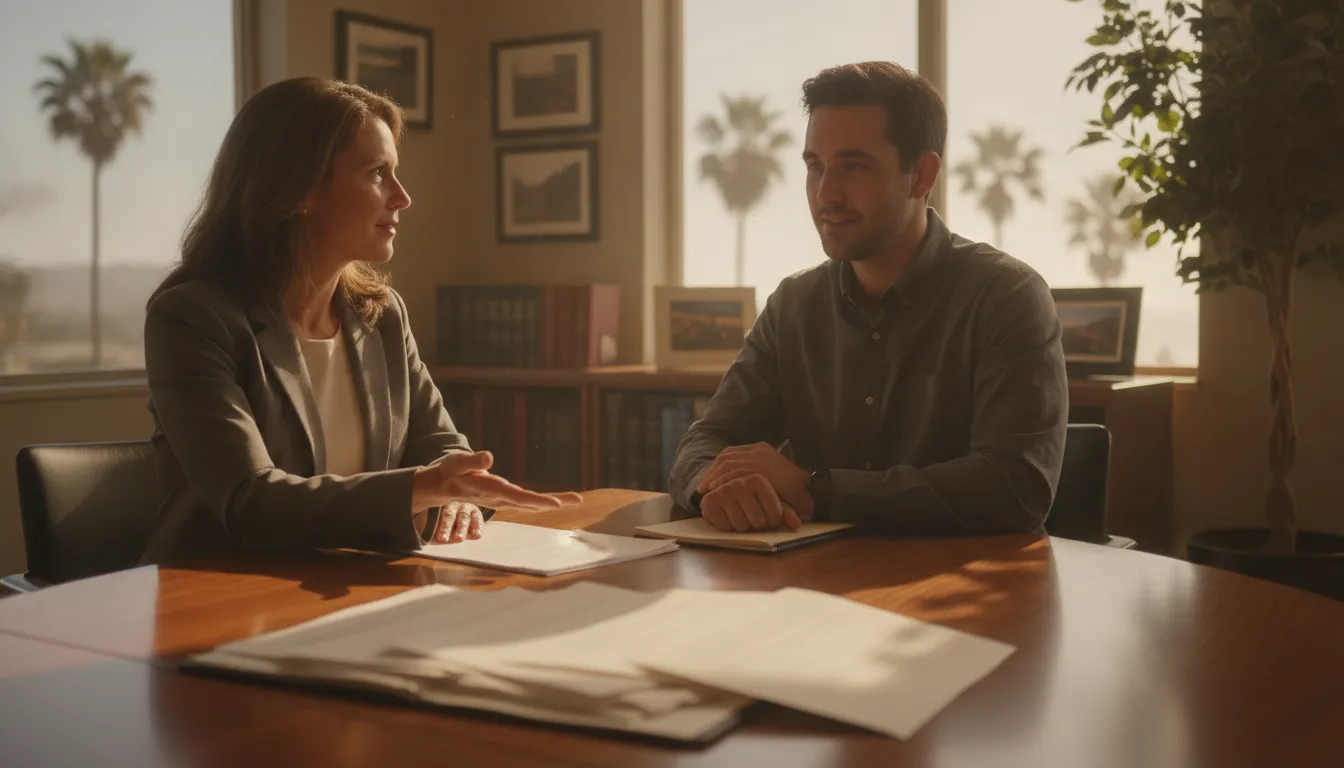
Answer in brief: Gather the documents that show what the estate owned, what the executor was authorized to do, what decisions were made, and where the money or property ultimately went. Keep the originals safe, preserve electronic records in their original form, and use lawful court or discovery procedures to obtain records you do not have.
A beneficiary considering whether California trust beneficiary rights or probate rights may have been violated should begin with a complete, dated file. The goal is not to collect every document indiscriminately. It is to build a reliable record that allows an attorney, the court. Or the parties to compare the executor’s conduct with the will, court orders, and applicable duties.
Start with the governing documents
Locate the signed will and any codicils, along with later amendments, nominations of personal representatives, and documents showing whether a court appointed or replaced the executor. If the estate plan includes a trust, include the trust instrument and amendments that affect the assets at issue. These documents may identify beneficiaries, impose conditions, authorize sales, or direct how expenses and distributions should be handled.
Build an asset and transaction file
Next, organize records showing what the estate owned and how those assets changed. Useful categories include:
- Probate petitions, inventories, accountings, orders, notices, and other filings available through the relevant probate court.
- Inventory and appraisal materials, including valuations for real property, businesses, vehicles, collections, and other significant assets.
- Deeds, title records, mortgage statements, insurance records, and transfer documents for real estate.
- Bank, brokerage, retirement, and other account statements, plus canceled checks or transaction histories you lawfully possess.
- Communications with the executor, attorneys, financial institutions, appraisers, and other beneficiaries, including emails, letters, and text messages.
- Distribution records, receipts, releases, payment confirmations, and documents showing who received property or funds.
Some probate filings may be public and can be requested from the court or accessed through its authorized system. Other records, including bank statements, tax returns, private communications, and confidential account information, may not be public. Do not guess passwords, access another person’s account, intercept communications, or take documents you are not authorized to obtain. Instead, request records through the executor, a formal accounting process, subpoena, discovery, or another lawful procedure appropriate to the case.
Write a dated chronology
Create a simple timeline that starts with the decedent’s death. Record each major event, including the petition date, executor appointment, notices, asset sales, appraisals, account requests, court orders, distributions, and unanswered questions. For every entry, note the source document and avoid treating an inference as a fact. A clear chronology can reveal missing accountings, unexplained delays, inconsistent valuations, or transactions that deserve focused review. Before filing a claim, ask a California estate attorney to assess the evidence, deadlines, and available remedies.
Are there deadlines for suing an executor?
Answer in brief: There is no single deadline for every claim involving an executor. Timing may depend on what the executor allegedly did or failed to do. It may also depend on whether the issue belongs in probate or a separate civil action. When you received notice, the will’s language, and when the facts became known. Because a missed deadline can affect your options, have the claim and probate record reviewed promptly.
It is important to separate an administration deadline from a lawsuit statute of limitations. California Probate Code section 8800 generally requires a personal representative to file an inventory and appraisal within four months after letters are first issued to a general personal representative. That is a benchmark for identifying and valuing estate property. It is not a universal four-month deadline for a beneficiary to sue an executor. The statute also allows partial inventories in appropriate circumstances, while requiring the inventories and appraisals to be filed within the permitted period. Read the current text of California Probate Code section 8800 for the governing language.
Other dates may matter more to a particular dispute. For example, a beneficiary may receive notice of a hearing on an accounting. Learn that a proposed distribution is being requested, or discover that estate property was omitted from the inventory. The procedural posture can determine whether the appropriate next step is an objection, a petition within the probate proceeding, a request for an accounting, or a separate lawsuit. The nature of the alleged harm also matters. A disagreement about the timing of an otherwise proper administration is different from an allegation that estate assets were concealed, improperly distributed, or used for a personal benefit.
Probate itself can take time. California Courts explains that a formal probate case typically lasts nine to 18 months and sometimes longer because it includes opening the case. Administering the estate, and closing it. That timeline does not automatically extend every limitation period or make delay harmless. Reviewing the court docket, notices, will, inventory, accountings, and communications can help identify which dates control. For an overview of the process, see Lawvex’s California probate guidance.
If you are asking, can a beneficiary sue an executor, do not wait for the estate to close before getting advice if you suspect a deadline is approaching. A California probate attorney can help distinguish an executor dispute from a trustee dispute, identify the proper forum, and evaluate available remedies based on the specific facts.
Can you resolve an executor dispute without a lawsuit?
Answer in brief: Often, yes. A beneficiary may be able to resolve an administration concern through a focused information request. An accounting request, attorney correspondence, or mediation before asking a probate court to intervene. The right approach depends on the estate documents, the executor’s authority, the records available, and whether assets or beneficiaries face an immediate risk.
Start with a respectful written request that identifies the specific information needed. Ask for the current probate case status, the inventory and appraisal, significant expenses, the anticipated next steps, and an explanation for any decision that affects your interest. Keep the request factual and give a reasonable time to respond. In California, a personal representative generally must file an inventory and appraisal within four months after letters are first issued to a general personal representative. Although the statute allows partial inventories in appropriate circumstances. That benchmark can help frame a question, but it is not automatically proof of misconduct or a universal deadline for every dispute.
If the concern involves money, an accounting may be more useful than a general demand for updates. Probate procedures can require notice to known heirs or devisees whose interests would be affected by an account hearing. An accounting request should be tailored to the estate and the relief sought. It may also clarify whether the dispute concerns missing records, allowable expenses, compensation, or the timing of a proposed distribution.
Use counsel or mediation before escalating
A California probate attorney can send a focused letter that explains the concern, requests supporting records, and proposes a practical resolution. A neutral mediation can then help family members address communication problems, property questions, or distribution disagreements without immediately turning every issue into contested litigation. Mediation is not appropriate for every case, especially when assets may be dissipated or a court order is urgently needed.
Be careful with the word “executor.” An executor or other personal representative administers an estate in probate. A trustee administers trust property under the trust document. Trustee information rights and accounting duties arise under a different legal framework. If the dispute involves trust assets, review trust administration and successor trustee guidance rather than assuming probate procedures apply. For probate-specific process and court options, see Lawvex’s California probate guidance.
When a court petition may be appropriate
If informal efforts fail, a beneficiary may ask the probate or trust court for an accounting, instructions, enforcement of a duty, or another remedy supported by the facts. Formal probate itself typically takes 9 to 18 months, and sometimes longer. It involves opening the case, administering the estate, and closing it. Delay alone is therefore not proof that an executor acted improperly. Review the case posture, filings, asset complexity, communications, and evidence before choosing litigation.
What should a beneficiary do before filing?
Answer in brief: Before filing, identify the correct legal role, preserve reliable records, request information in writing, define the harm and remedy, and obtain California-specific advice. A careful preparation process can clarify whether a court action is appropriate or whether a less costly response may address the concern.
- Confirm the role and controlling document. Determine whether the person is acting as an executor in a probate case or as a trustee in trust administration. Review the will, codicils, trust instrument if relevant, court orders, and any notices you received. The document and the proceeding may control who is entitled to information and what remedy is available.
- Preserve records without altering them. Keep copies of probate filings, notices, letters, emails, texts, accountings, distribution statements, appraisals, and communications with the executor. Create a dated chronology of requests, responses, transfers, and missed or promised actions. Do not access private accounts or devices without authorization.
- Request information clearly and in writing. Ask focused questions about the inventory, appraisal, expenses, distributions, asset sales, and expected next steps. A written request creates a clearer record than an informal conversation. It also gives the executor an opportunity to explain an apparent delay or discrepancy.
- Define the harm and the remedy. Separate a frustrating delay from a measurable loss or a decision that may conflict with the will or applicable law. Consider what would actually resolve the issue: an explanation, records, an accounting, correction of a distribution, protection of an asset, or a court order. A lawsuit is not automatically the best remedy.
- Get California-specific legal advice promptly. Probate procedure, fiduciary duties, standing, notice, and deadlines depend on the facts and the case posture. Lawvex provides California probate guidance and can help a beneficiary evaluate the next step. Call Lawvex at 1 (888) 308-7003 or use the contact page to request an initial conversation.
Bring your organized timeline and key documents to that conversation. Do not assume that a strong disagreement proves misconduct. And do not wait to investigate if an asset may be at risk or a notice identifies a response period.
Contact Lawvex before responding to an executor dispute or call 1 (888) 308-7003.
Frequently Asked Questions
Can a beneficiary sue an executor in California?
Possibly. A beneficiary may have grounds to ask the probate court for relief when an executor appears to have violated the will. Mishandled estate property, failed to provide required information, or caused a measurable loss. The available remedy depends on the estate, the executor’s conduct, the governing documents, and the procedural posture of the probate case.
What does a beneficiary need to prove against an executor?
The beneficiary generally needs evidence showing what duty applied, how the executor failed to perform it, and what harm resulted. Helpful records can include the will, probate filings, account statements, asset inventories, appraisals, distribution records, and communications. Suspicion alone may justify questions, but it does not establish financial liability.
What should an executor not do?
An executor should not treat estate property as personal property, favor one beneficiary without authority, make undocumented distributions, conceal material information, or ignore the will and court orders. The executor should preserve records, keep estate funds separate, and follow an orderly process for debts, taxes, and distributions.
Can a beneficiary request an accounting from an executor?
A beneficiary can ask for documentation showing what estate assets were collected, what expenses were paid, and what remains for distribution. The exact right, format, and timing can depend on the probate case and applicable California procedure. If an informal request is unanswered, a beneficiary may need court guidance rather than making unilateral demands or taking estate property.
How should a beneficiary respond if an executor is delaying distribution?
Start by requesting a written status update and identifying the specific assets, debts, tax issues, or court steps still pending. Preserve the response and supporting documents. If the delay is unexplained or appears harmful, discuss the record with a California probate attorney before seeking a court order, surcharge, removal, or another remedy.
Talk with Lawvex about your inheritance concern
Executor disputes can involve sensitive family relationships, important records, and deadlines that depend on the specific California proceeding. Lawvex focuses on estate planning, trust administration, probate, and inheritance matters. The team can help you organize the facts, distinguish an executor issue from a trustee issue, and understand which next steps may fit your situation. No article can determine whether a lawsuit will succeed or predict a particular remedy.
Call Lawvex at 1 (888) 308-7003 or visit the Lawvex contact page to get started. You can share the relevant notice, timeline, and records so the conversation begins with a clear picture of the concern.
Contact Lawvex for California probate guidance
Estate-planning disclaimer: This article provides general educational information, not legal advice or a prediction about any specific case. Probate rights, fiduciary duties, standing, remedies, and deadlines depend on the facts, governing documents, notices, and court proceedings. Consult a qualified California attorney about your circumstances.