Pour Over Will California: What It Does
September 12, 2026
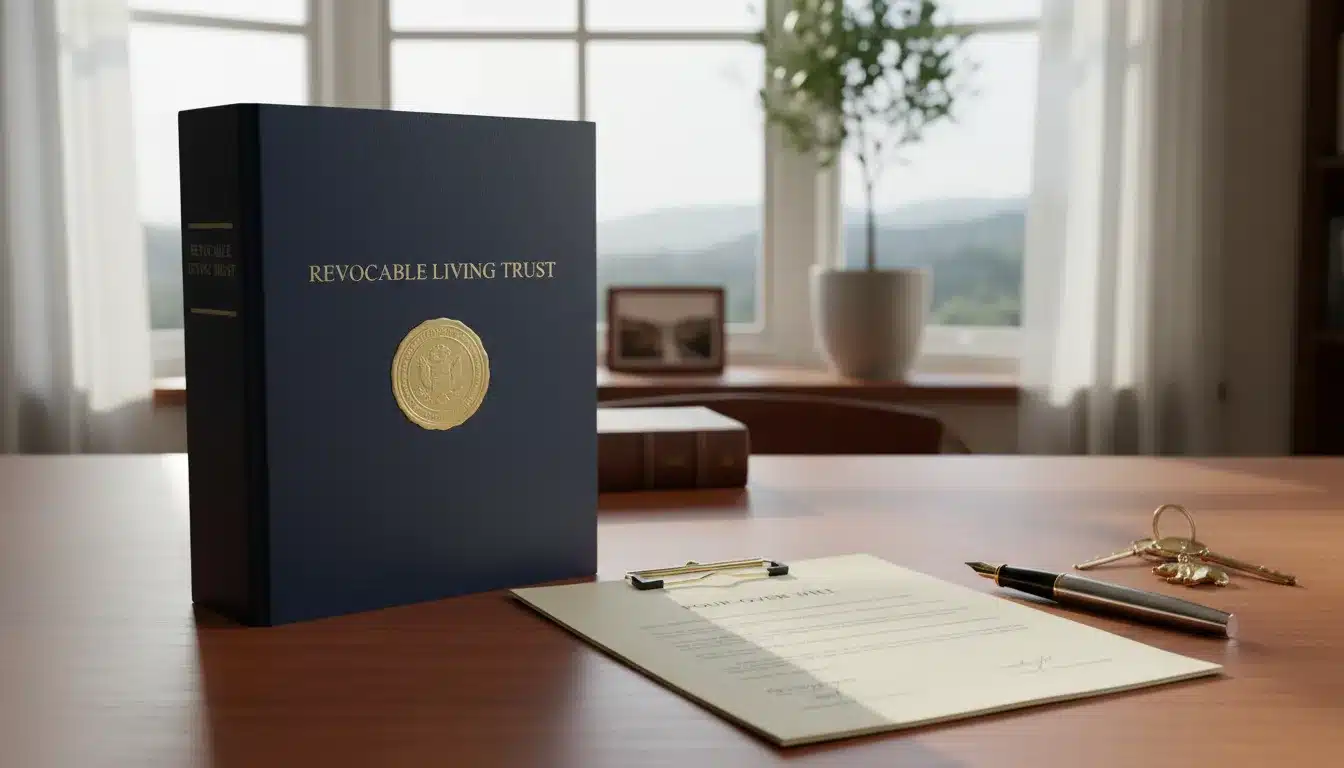
An empty revocable trust provides zero protection for a California home left outside of its name. If you pass away with unassigned property, your heirs must still face the public probate system.
A pour over will California estate plans use acts as a protective safety net for any personal assets left out of your living trust. According to the California Probate Code, this document directs your executor to transfer those forgotten assets into your trust when you die. However, a pour over will does not automatically bypass the probate court; assets transferred this way generally require formal court administration before distribution. This means your family may face a probate timeline of nine to eighteen months for any property not properly deeded to your trust. To protect your beneficiaries, you must use this legal document as a backup while actively funding your trust during your lifetime.
To build a secure estate plan, you must understand how these legal documents work together to protect your heirs. We can start by examining the core question: What is a pour over will California estate plans use? The answers begin with
What is a pour over will California estate plans use?
A pour over will is a special type of legal document. It works as a backup for your living trust. If you leave assets outside your trust when you die, this will catches them. It directs those assets into your trust so they can be distributed according to your plan.
How the safety net works
Most people try to move all their property into their trust during their lifetime. But you might buy new things and forget to add them. A pour over will California estate plans include acts as a safety net for these forgotten items. While a standard will distributes property directly to your heirs, this document names your trust as the main beneficiary.
This special will cannot function alone. It only works if you have a valid, pre-existing living trust. If you revoke or terminate your trust before you die, the instructions in your pour-over will will lapse. This means your assets would be distributed under California intestate laws instead of your personal wishes.
California Probate Code 6300 rules
California law has strict rules for these documents. Under California Probate Code section 6300, you must name your trust in your will. You must also write the trust agreement before, at the same time, or within 60 days after you sign the will. Following these timing rules is vital to make your estate plan legal.
Your trust does not have to remain unchanged after you write your will. Under the same probate code, your pour-over will remains valid even if you amend or change your trust. You do not need to write a new will when you make updates. All poured assets will follow your latest instructions.
The reality of probate
Many people believe that having a trust means they bypass probate. But this is not always true. You cannot use pour over wills to avoid probate to bypass the court process for outside assets. The court must approve their transfer before they can enter your trust.
If the total value of your outside assets is small, you might qualify for simplified transfer procedures. But if they exceed the small estate limit, your heirs must go through formal probate. This process usually takes 9 to 18 months in California. To keep things simple, you should try to put all major assets into your trust while you are alive.
What a pour-over will actually does
A standard estate plan often relies on a living trust to protect and distribute your assets. But what happens if you forget to put something in your trust? This is where a pour over will in California acts as a vital safety net.
The trust as your primary beneficiary
Unlike a normal will, a pour-over will does not name people to receive your property. Instead, this legal instrument names your revocable living trust as its sole beneficiary. When you pass away, the will directs any leftover assets straight into that trust. The terms of the trust then guide how the trustee distributes those assets to your heirs.
Under California Probate Code Section 6300, this transfer is valid even if you amend your trust. This rule keeps your estate plan simple. You do not need to rewrite your will every time you update your trust terms. Your trust remains the main guide for all your assets.
Catching forgotten or new assets
People often buy new property and forget to deed it to their trust. For example, you might open a new bank account or acquire personal items like art and jewelry. This includes any new asset you buy after setting up your trust. A pour-over will solves this problem by catching these outlying assets after your death.
Without this backup document, your unlinked assets would follow California intestate law. That means the court would distribute your property to your closest relatives based on strict state guidelines. A pour-over will prevents this outcome by forcing all your property to flow through your trust instructions.
Giving the executor authority
To move these assets, the court must give your nominated executor the authority to act. This legal power lets them gather your forgotten property and transfer it to your trustee. This process brings all your assets under one single plan instead of splitting them.
But you should know that a pour-over will does not bypass the court entirely. If your unlinked assets exceed the state limit, they must go through the standard California probate court process first. This court process can take nine to 18 months. For this reason, funding your trust during your life remains your best option.
What a pour-over will does not do
A pour-over will is a helpful backup document for your estate plan. But this document does not solve every estate planning problem. Many people misunderstand how a pour over will in California works. They think they can use a pour over will California to avoid all estate administration issues. In reality, it has clear limits that you must understand before making your plan.
The failure to bypass probate
The biggest misconception is that a pour-over will avoids probate court. It does not. Using pour over wills to avoid probate is not a reliable shortcut in California. If you leave assets outside your trust, those assets must still go through the probate process. This is true if the total value of those assets exceeds the small estate limit. In these cases, the executor must open a probate case to move the assets into the trust.
According to the California courts, the formal probate process typically takes 9 to 18 months to complete. During this time, your family must deal with filing fees, court dates, and public notices. The court will also charge statutory fees based on the gross value of your estate. Your loved ones cannot access or use those assets until the court process ends. This delay can cause stress during a difficult time.
No direct distribution of assets
A standard last will and testament leaves property directly to your named beneficiaries. A pour-over will does not work this way. Instead, it directs all your individual assets to your living trust. The trust then acts as the central hub for your entire estate. This means your heirs do not receive the property directly from the will.
Once the assets pour into the trust, the trustee manages them. Under California Probate Code 6300, these assets are administered according to the specific terms of your trust. This means your beneficiaries must follow the trust rules to receive their inheritance. If your trust has delay clauses or age limits, your beneficiaries will not get their shares immediately. The trustee must follow those instructions exactly.
No fix for an empty trust
Some people think having a pour-over will means they do not need to fund their trust. This is a dangerous mistake. Funding your trust during your lifetime is still the best way to avoid probate. Relying on a pour-over will as your main tool defeats the primary purpose of the trust. It should only serve as a safety net for forgotten assets.
Also, a pour-over will cannot stand on its own. It requires a valid, active living trust to function. If you revoke or end your trust before you die, the transfer in your will fails. Under California law, this situation causes your gifts to lapse, which can leave your estate in probate. Your family would then face standard probate rules for all those assets.
Does a pour-over will avoid probate in California?
The probate process for remaining assets
A pour-over will in California directs assets not already in a revocable trust to transfer into that trust after you die. Many people assume this document bypasses court supervision. But a pour-over will does not let your estate bypass the probate court. Instead, any asset passing through this will must go through probate before it can reach your trust.
This court process is often slow and expensive. A typical California probate case takes 9 to 18 months to complete. Many families look for ways to use pour over wills to avoid probate. During this time, your representative must pay fees for filing, publishing notices, and appraising your property.
The connection between your trust and will
A pour-over will cannot function on its own. It requires a valid, active living trust to receive the assets after you die. California law requires you to name your trust in the will when you set up your plan. This ensures that any remaining property flows to the trustee who manages your estate.
Under the Uniform Testamentary Additions to Trusts Act, this transfer is valid even if you change your trust later. You can update your trust terms without needing to write a new will. This flexibility highlights the role of pour over wills in keeping your estate plan simple. Your will points to your trust, which holds the instructions for your beneficiaries.
Small estate exclusions under state law
Not all assets must go through a formal probate court process. California law allows some small estates to bypass formal probate. If assets left outside your trust fall below the state limit, your family can use a simplified process. This option helps you avoid the long delays of a full court case.
But if your assets exceed this state threshold, formal probate becomes necessary. This is where a pour-over will can cause unexpected problems. The court must review your will, check its terms, and supervise the transfer of assets into your trust. In California, these probate fees are set by law as a percentage of your total estate value.
The critical role of trust funding
You can avoid probate by funding your trust during your lifetime. Trust funding is the process of moving your property and bank accounts into your trust. Since your trust owns these assets, they bypass court. You can learn how to set up your estate and fund a trust using a pour over will in California to protect your assets.
A pour-over will does not replace active trust funding. Instead, it acts as a safety net for assets you forget to move. If you buy a new home but do not change the deed, the will catches it. But since that asset is still in your name, it must go through court. Moving your large assets into your trust prevents this delay.
Pour-over will vs. living trust vs. standard will
Every estate plan in California needs the right tools. People often choose between standard wills, living trusts, and pour-over wills. But these three tools do different things. You must know how they work to protect your family and your assets.
A standard last will and testament is the most common option. It lists who gets your assets when you die. Unlike a living trust, a standard will distributes assets directly to your beneficiaries. This process is straightforward, but it usually requires court supervision.
Comparing your California options
To make the right choice, you must compare how these tools handle your estate. Each option fits a different stage of planning. The table below shows how these documents compare in California.
| Document | Main job | When it works | Key limitation |
|---|---|---|---|
| Standard will | Distributes assets directly to your beneficiaries after death. | Best for simple estates without a trust. | Must go through a slow probate process. |
| Living trust | Holds and manages your assets during and after your life. | Best to avoid probate and manage complex assets. | Requires active funding and setup work. |
| Pour-over will | Moves forgotten assets into your living trust after death. | Best as a safety net alongside a trust. | Does not bypass the probate process alone. |
The safety net role of pour-over wills
A pour-over will is not a standalone plan. In fact, a pour-over will cannot function alone and requires a valid living trust to work. It acts as a safety net for assets that you do not move into your trust during your life. For example, you should read about the role of a pour over will in California to see how it secures your plan.
Without this document, any asset left out of your trust might pass under state intestacy laws. This means the court decides who gets those assets, which can cause family disputes. A pour-over will solves this problem. It directs the court to move those forgotten assets into your living trust.
How probate affects your California estate
Many people believe that a pour-over will helps you avoid probate. But this is a common myth. In California, a pour-over will does not bypass the court process. Any asset transferred by this will must still go through probate if its value exceeds the state small estate limit.
The California probate process is slow and expensive. It often takes 9 to 18 months to finish. Your loved ones cannot use or access these assets while the court case is active. Funding your trust fully is the best way to keep your assets out of the courtroom.
How to make a pour-over will work with your trust
A pour-over will works best when it is treated as a backup, not the main transfer tool. The main work happens while you are alive. You create the trust, move assets into it, and keep records current.
Start with the trust document
Your living trust should name the trustee, successor trustee, beneficiaries, and distribution rules. The pour-over will then points any missed assets back to that trust. If the trust is unclear, outdated, or revoked, the will has less value.
California law allows a will to leave property to a trust if the trust is properly identified and its terms are written. That is why the trust and will should be reviewed together. They are separate documents, but they are meant to operate as one plan.
Fund the trust before problems arise
Trust funding is the practical step many families miss. Real estate may need a deed. Bank or brokerage accounts may need new title or beneficiary instructions. Personal property may need a schedule or assignment.
For a broader walk-through, see Lawvex’s guide on how to set up a trust in California. That process helps reduce the chance that your family must rely on the pour-over will later.
Use a simple review checklist
- Confirm that your revocable living trust is signed and still matches your wishes.
- Sign a pour-over will that clearly names the trust as the recipient.
- Move major assets, such as real estate and accounts, into the trust when appropriate.
- Review beneficiary forms for retirement accounts, life insurance, and payable-on-death accounts.
- Update the plan after marriage, divorce, a new child, a new home, or a major asset purchase.
The goal is not to create more paperwork. The goal is to make sure each asset has a path. If an asset is funded into the trust, it may avoid probate. If it is missed, the pour-over will gives the trustee a backup route.
When to review your pour-over will with a lawyer
An estate plan is not a set-it-and-forget-it tool. You should review your plan when major life events occur or when you buy new property. If you have a pour over will in California, keeping it updated is vital. Working with a lawyer ensures that your safety net remains strong and acts as intended.
Life events and asset changes
Major family shifts like getting married, divorcing, or having a child can change how you pass on your assets. You may need to update your beneficiaries or choose a new executor. Under California law, a pour-over will directs left-out assets to a trust. But if you have a blended family, you need precise terms to protect everyone.
Buying new property also triggers the need for a review. If you buy a home or open a new investment account, you should put those assets into your trust. You cannot rely solely on pour over wills to avoid probate because left-out assets usually still face court. In fact, California court probate takes 9 to 18 months to complete, according to the California Courts website.
Trust funding gaps
A pour-over will acts as a backup plan to catch assets you did not transfer to your trust during your life. But if you leave many assets out of the trust, your estate may face heavy fees and delays. Under California Probate Code Section 6300, a pour-over will is valid even if you amend the trust later. Still, relying on the will rather than funding your trust is a costly mistake.
Common assets that people often forget to fund into their trust include:
- Real estate acquired after the trust was created.
- Personal bank accounts and certificates of deposit.
- New investment portfolios and taxable brokerage accounts.
- Vehicles, vessels, and other titled personal property.
A lawyer can help you review your asset list. They will find any gaps between your trust and your personal holdings. This step keeps your plan working smoothly and prevents probate.
Out-of-state assets and business interests
If you buy property outside of California, a review is essential. Out-of-state real estate can trigger a second probate process in that state. A lawyer can help you understand the role of pour over wills when dealing with assets across state lines. They can advise you on how to hold title to avoid double court hearings.
Business owners must also take extra care. Buying a business, changing partners, or selling company shares will impact your estate plan. You must ensure that your business agreements match the terms of your trust. If you are uncertain about your probate exposure, a lawyer can review your setup to ensure your assets flow exactly where you want them.
Frequently Asked Questions
Do assets in a pour over will California estate plans use go directly to heirs?
No, assets passing through a pour-over will do not go directly to your heirs. Unlike a standard will, a pour-over will directs assets to your living trust. Under the California Probate Code, these assets are managed by your trustee. They are then distributed according to your specific trust terms.
What happens to your pour-over will if you revoke your living trust?
Under the California Probate Code, a pour-over will requires an active living trust to function. If you revoke your trust before you pass away, the gift in your will typically lapses. This means the assets will bypass the trust. Instead, they will be distributed under California intestate laws.
How are probate fees calculated in California for assets in a pour-over will?
According to the California Courts, probate administration involves court-approved statutory fees. These fees apply to the personal representative and their attorney. The state calculates these costs as a percentage of the total gross value of the probate estate assets. Court filing, notice publishing, and property appraisal costs also increase the overall expense.
Can a pour-over will be used if you do not have a living trust?
No, a pour-over will cannot function alone. According to legal experts at San Diego Legacy Law, it requires a valid and active living trust. If you write a pour-over will without a trust, there is no entity to receive your property. Your assets will then face standard intestate distribution.
Talk to Lawvex about your California estate plan
A pour-over will can protect your trust plan from missed assets, but it should not be the only tool your family depends on. Lawvex can help you review how your will, trust, asset titles, and probate exposure fit together under California law.
Schedule a consultation about your California estate plan and get clear next steps before a small funding gap becomes a probate problem for your beneficiaries.