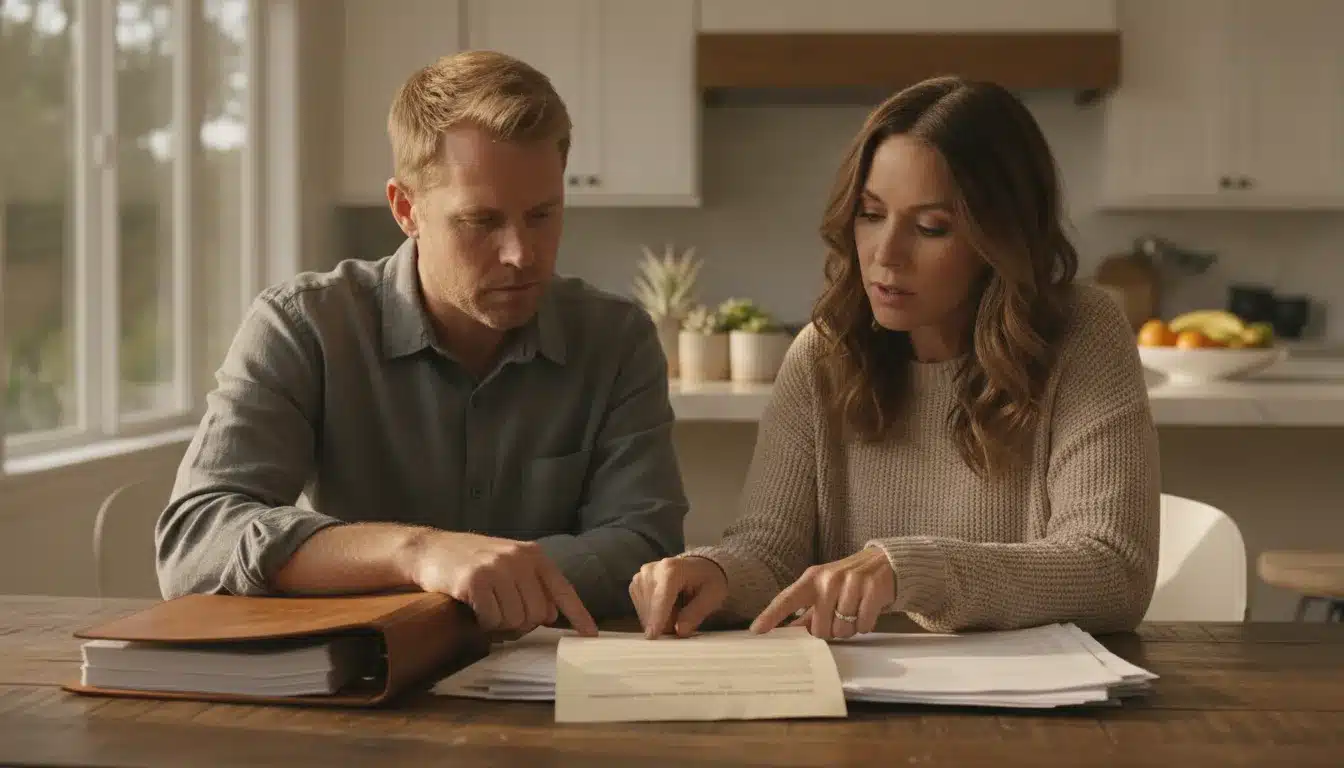
California Trust Administration Checklist
May 20, 2026

California Trust Administration Checklist for Successor Trustees
A trust administration checklist California successor trustees can actually use should answer one urgent question: what needs attention first after the person who created the trust dies? The work is not just paperwork. A trustee may need to secure assets, notify the right people, keep records, coordinate tax and accounting questions, and avoid distributions before the trust is ready. This checklist organizes those responsibilities into a practical sequence so the first weeks feel less scattered.
Need help applying this checklist to a real trust? Talk with Lawvex about California trust administration.

This guide is for educational purposes. Trust terms, family circumstances, tax issues, and California notice duties can change the next best step. Use it to create order, not as a substitute for legal advice about a specific administration.
Start With the Role, Not the Distribution
A successor trustee usually steps in when a prior trustee has died, resigned, become incapacitated, or otherwise stopped serving. After a death, relatives often ask when money or property will be distributed. The trustee’s first duty is usually not to distribute. It is to understand authority, preserve trust property, and create a reliable administration file.
Lawvex explains on its trust administration service page that a trust may avoid a court-supervised probate case, but legal work can still remain. Administration happens privately, which means the trustee often needs a careful record of notices, asset decisions, expenses, and communications. For a broader role overview, see Lawvex’s guide to what a successor trustee does in California.
Phase 1 Checklist: Gather Authority and Core Records
Begin by building one secure digital or physical file. If several family members are helping, name one person to maintain the authoritative version so receipts, letters, and account notes do not get scattered.
- Locate the signed trust and amendments. Confirm the trust name, trustee succession language, distribution instructions, and any special directions for real estate, businesses, or personal property.
- Find related estate documents. Gather pour-over wills, certification of trust documents, prior attorney letters, deeds, beneficiary designations, and any list of trust assets.
- Order certified death certificates. Banks, insurers, title professionals, and other institutions may request them.
- Identify the acting trustee. If the trust names co-trustees or alternates, do not assume one person may act alone without reading the document.
- Create a contact sheet. List beneficiaries, heirs who may require notice, advisors, property managers, accountants, financial institutions, and insurance contacts.
- Start a trustee activity log. Record the date, person contacted, documents requested, calls made, expenses paid, and decisions deferred for advice.
A common early mistake is relying on family memory instead of the signed instrument. A relative may sincerely describe “what Mom wanted,” but the trustee administers the trust terms and applicable law. If the document language is unclear, pause before acting on a verbal interpretation.
Phase 2 Checklist: Protect Property and Stabilize Accounts
Before inventory becomes detailed, basic preservation matters. A vacant home, automatic payments, valuable personal property, and digital billing records can become problems quickly if no one takes ownership of the process.
- Secure residences, vehicles, and valuables. Confirm locks, utilities, alarms, insurance status, and any urgent maintenance needs.
- Preserve mail and electronic access information lawfully. Mail may reveal lenders, insurers, subscriptions, tax forms, and statements. Get advice before accessing accounts that may have separate ownership or privacy concerns.
- Avoid mixing funds. Keep trust-related receipts and payments traceable. Ask an attorney or accountant when a dedicated trust account is appropriate.
- Track expenses from day one. Funeral-related payments, maintenance, insurance, appraisal fees, filing fees, and professional invoices should be documented rather than reconstructed later.
- Do not promise distributions. Beneficiaries may need updates, but early assurances can create conflict if taxes, debts, title problems, or trust restrictions emerge.
If the trust holds a business, rental property, farmland, or investment property, preservation questions can become business decisions. Lawvex notes that trustees may need guidance about the timing and manner of operating businesses or selling land or investment property during trust administration.
What Notices Should a California Successor Trustee Flag Early?
California notice duties are one reason this checklist should be calendar-based. Under California Probate Code section 16061.7, a trustee may need to serve a notification by trustee when a revocable trust becomes irrevocable because of a settlor’s death or upon certain trustee changes. The statute generally refers to service no later than 60 days after the triggering event, subject to the facts described in the law.
This notice is not just a casual family update. It has required recipients and required contents, and death-related notices include statutory warning language tied to a trust contest period. A successor trustee should flag this issue immediately rather than trying to repair an informal notice later.
- Mark the potential 60-day notice window. Record the date of death and the date the trustee begins serving if a trustee vacancy complicates timing.
- Identify beneficiaries and heirs for review. The recipient list can require careful analysis, especially in blended families or estranged-family situations.
- Keep proof of service. Store the final notice, address list, mailing records, and any returned mail.
- Ask for legal review when in doubt. Notice errors can multiply conflict and expose the trustee to avoidable risk.
Checklist shortcut: if a death has triggered your trustee role, treat notices as an early legal review item. Contact Lawvex before relying on a generic form.
Phase 3 Checklist: Inventory Assets, Debts, and Title
Once immediate preservation work is underway, build an inventory that separates what appears to be trust property from what may pass by beneficiary designation, joint ownership, probate, or another path. This is not merely a spreadsheet exercise. The answer can affect authority, deadlines, accounting, and whether a separate proceeding may be needed.
- List real property. Note parcel addresses, deeds, mortgage statements, insurance policies, property tax bills, and whether ownership appears titled in the trust.
- List financial accounts. Capture institutions, account types, last four digits only in shared working documents, approximate balances if known, and whether the institution has acknowledged trustee authority.
- List personal property of material value. Vehicles, collections, jewelry, tools, art, and household items may require photos, safekeeping, or valuation.
- Review recurring income and expenses. Rent, royalties, pensions payable to the trust, utilities, insurance, storage, and property management fees should be identified.
- Identify debts and possible claims. Mortgages, credit cards, medical bills, loans, tax obligations, and maintenance arrears should be logged, not paid reflexively without review.
- Flag assets with unclear title. If a major asset is outside the trust, administration may require a different analysis than the family expected.
Lawvex’s article on how to administer a trust offers a helpful companion overview of managing trust assets and maintaining records. This new checklist is narrower: it emphasizes the sequence a California successor trustee can use after a death, from early documents to attorney-review decisions.
Phase 4 Checklist: Coordinate Valuations, Taxes, and Accounting
A clean administration file should tell the story of what existed, what changed, what was paid, and why. That record helps the trustee answer beneficiaries, work with tax professionals, and prepare any accounting that applies.
- Discuss date-of-death valuation needs. Real estate, closely held businesses, and valuable personal property may need appraisal input.
- Coordinate with a tax professional. Questions can include the decedent’s final income tax return, trust income tax filings, income received during administration, and documents needed for beneficiaries.
- Retain statements and receipts. Save account statements, invoices, canceled checks if available, closing statements, and property expense records.
- Maintain a transaction ledger. Track deposits, payments, reimbursements, professional fees, and distributions separately.
- Watch for accounting duties. California trust accounting questions are fact-specific. Ask about format, waiver issues, timing, and the information beneficiaries should receive.
California’s trustee accounting statute, Probate Code section 16063, describes information included in an account when one is required. Trustees should not assume a shoebox of receipts or a simple final balance will satisfy every circumstance.
When Should a Trustee Pause and Ask an Attorney?
Some trust administration decisions are routine organizational tasks. Others can change legal rights, intensify conflict, or create personal risk for the trustee. A checklist should help you see the difference.
- The trust or amendments are missing, inconsistent, or hard to interpret.
- Beneficiaries disagree about property, timelines, fiduciary duties, or whether the trustee should continue serving.
- A notice deadline may be approaching or may already have passed.
- Real property, a family business, or concentrated investments need sale, retention, or management decisions.
- An asset appears outside the trust. The family may need advice about title, beneficiary designations, or whether probate-related steps are implicated.
- A beneficiary requests an accounting, trust copy, or distribution status in a way that raises legal questions.
- Creditors, tax agencies, or government benefit recovery issues appear.
- The trustee wants compensation or reimbursement. Process and documentation matter.
- A proposed distribution would leave uncertain debts, taxes, or expenses unpaid.
Lawvex also discusses this decision point in when to hire a probate and trust attorney in California. A trustee does not need to wait until conflict turns into litigation to ask for help. Early review can make the administration more predictable.
Phase 5 Checklist: Communicate Without Overpromising
Beneficiary communication often shapes whether administration feels orderly or suspicious. Silence creates a vacuum. Overpromising creates a different problem. Aim for accurate, documented updates that distinguish known facts from issues still under review.
- Set a communication channel. Decide whether updates will come by email, letter, or another documented method.
- Share a high-level process. Explain that the trustee is collecting documents, addressing notices, identifying assets, reviewing obligations, and working toward appropriate distributions.
- Avoid legal conclusions in casual messages. If a question requires legal or tax analysis, say it is under review.
- Keep copies of meaningful communications. Organized correspondence can prevent conflicting memories later.
- Do not let pressure dictate sequence. Beneficiaries may want quick payment, but trustees still need an administration process that accounts for liabilities and trust terms.
If family pressure is rising while documents, notices, or assets remain unresolved, review Lawvex’s trust administration support before making commitments that are hard to unwind.
Phase 6 Checklist: Prepare for Distributions and Closing
Distribution is usually the result of completed preparation, not the opening move. Before transferring property or money, trustees should be able to show how trust terms, expenses, tax coordination, valuations, and beneficiary communications fit together.
- Confirm the distribution provision that applies. Some trusts use specific gifts, percentages, staged distributions, continuing trusts, or special conditions.
- Check unresolved expenses and reserves. Taxes, professional fees, final bills, and property carrying costs may affect timing.
- Document non-cash transfers. Real estate, vehicles, business interests, and personal property require records beyond a bank transfer.
- Use written distribution records. Receipts, release language if appropriate and advised, and schedules can clarify what was transferred.
- Close only after final administration items are complete. Final records should be stored securely in case a question arises later.
If the trust administration reveals that probate may also be involved for assets outside the trust, Lawvex’s California probate timeline can help families understand why the path may look different for those assets.
A One-Page Sequence to Keep Beside Your File
- Locate the trust, amendments, death certificates, and related estate documents.
- Confirm who is authorized to serve as trustee.
- Secure property, preserve mail and bills, and begin an activity log.
- Calendar California notice issues for attorney review, especially Probate Code section 16061.7.
- Build an inventory of trust assets, possible non-trust assets, debts, and recurring expenses.
- Coordinate valuations, tax questions, and accounting records.
- Communicate with beneficiaries in writing without promising premature distributions.
- Ask for legal review when documents, title, conflict, deadlines, creditor issues, or distribution questions become material.
- Make distributions only after trust terms and administration obligations have been addressed.
- Retain a final administration file with notices, records, transfer documents, and closing materials.
Closing Thought for California Successor Trustees
Serving as trustee can feel personal because it arises during a family loss. It is also a fiduciary job that rewards sequence. A practical California trust administration checklist helps separate urgent preservation tasks from decisions that deserve professional review. The sooner the trustee creates a clean file, calendars notice questions, and documents asset work, the easier it becomes to communicate clearly and move toward a responsible closing.
For trust administration guidance tailored to a California trust, contact Lawvex or review the firm’s trust administration services.