Charitable Trust Lawyers in California: How to Choose
September 17, 2026

Choosing a charitable trust lawyer is not simply a search for someone who can prepare a trust document. California families often need counsel who can connect a charitable purpose with appreciated property, family goals, tax coordination, fiduciary administration, and the practical realities of carrying out the plan. The right lawyer should help you understand both what a charitable trust may accomplish and what it permanently gives away.
Call Lawvex at 1 (888) 308-7003 or schedule a consultation about your charitable-planning goals.
That distinction matters for homeowners, business owners, and other California residents who have spent years building wealth and now want their giving to be intentional. This guide explains how to evaluate counsel, what questions to ask, and which details deserve careful review before you sign an engagement agreement. It is educational information, not a recommendation of any specific trust or tax result.
What do charitable trust lawyers do?
Answer in brief: Charitable trust lawyers help clients decide whether a charitable trust belongs in a broader estate plan, select and document an appropriate structure, coordinate related professionals, and plan for administration after the trust is funded.
A charitable trust is not a stand-alone shortcut to a tax result. It is a legal arrangement that changes who controls property, who receives payments, which charity or charities receive a future interest, and what reporting and fiduciary work will be required. Charitable trust lawyers may help with several connected decisions:
- Clarifying the charitable purpose, intended recipients, family priorities, and desired timing.
- Reviewing the assets being considered, including real estate, closely held business interests, publicly traded securities, or cash.
- Comparing a charitable remainder trust, a charitable lead trust, or a simpler charitable gift within a revocable trust or will.
- Drafting provisions for trustees, successor trustees, beneficiaries, distributions, investment authority, and charitable organizations.
- Coordinating with a tax professional, financial advisor, valuation expert, or charity when the plan requires specialized input.
- Explaining administration, recordkeeping, filings, and the limits of what the lawyer can predict.
For example, a client considering a gift of appreciated property may be focused on a future sale, family income, or a charitable legacy. Each goal can change the questions counsel should ask. A lawyer who starts with a favorite document instead of the client’s purpose may miss a simpler or more suitable option.
Lawvex approaches estate planning as a connected process. Its California estate-planning services can provide context for how charitable objectives fit alongside trusts, wills, powers of attorney, health care documents, and beneficiary planning.
Which charitable trust structure might fit your goals?
Answer in brief: A charitable remainder trust generally pays an income or other interest to noncharitable beneficiaries first and sends the remainder to charity, while a charitable lead trust generally places the charitable interest first. Neither structure is automatically right, and a direct charitable gift may be more appropriate.
The phrase charitable trust can describe more than one planning design. You do not need to choose the structure before meeting counsel, but understanding the broad differences will help you have a better conversation.
Charitable remainder trusts
The existing Lawvex guide to charitable remainder trusts explains the basic concept in greater detail. In general, once you create a charitable remainder trust, it can’t be changed and is irrevocable. A donor transfers property to the trust, one or more noncharitable beneficiaries (which might be the original donor, their spouse or their kids) receive payments for a stated period or lifetime, and the remaining trust property passes to one or more qualified charities.
The Internal Revenue Service explains that a charitable remainder trust can be created during life or at death. Its official guidance also describes important limits, including the possible term, minimum and maximum payout percentages, the required charitable remainder, beneficiary taxation, and annual reporting. Read the IRS charitable remainder trust guidance before treating a general online explanation as a personal tax conclusion.
A charitable remainder annuity trust (CRAT) and a charitable remainder unitrust (CRUT) do not operate identically. One generally uses a fixed periodic (annuitized) amount to be paid out based on the initial valuation, while the other generally uses a percentage applied to an annually valued trust. The difference can affect cash flow, asset selection, investment administration, and whether later contributions are possible. Those are design questions for your estate planning lawyer and your tax and financial advisors, not choices to make from a template.
Charitable lead trusts
A charitable lead trust generally reverses the order of the interests: charity receives payments during the lead period, with a remainder directed to private beneficiaries if the plan meets its terms. This may raise different questions about timing, family wealth transfers, trustee duties, and tax treatment. Charitable trust lawyers can help explain the structure in plain language and identify the assumptions that require tax or valuation analysis.
Direct gifts and other alternatives
A trust may be unnecessary when the goal is simply to make a current gift, leave a charitable bequest, or name a charity as a beneficiary. A donor-advised fund, private foundation, charitable gift annuity, or direct bequest may also be discussed, depending on the client’s purpose and circumstances. Comparing alternatives is part of good counsel. A plan should not become more complex merely because a complex structure is available.
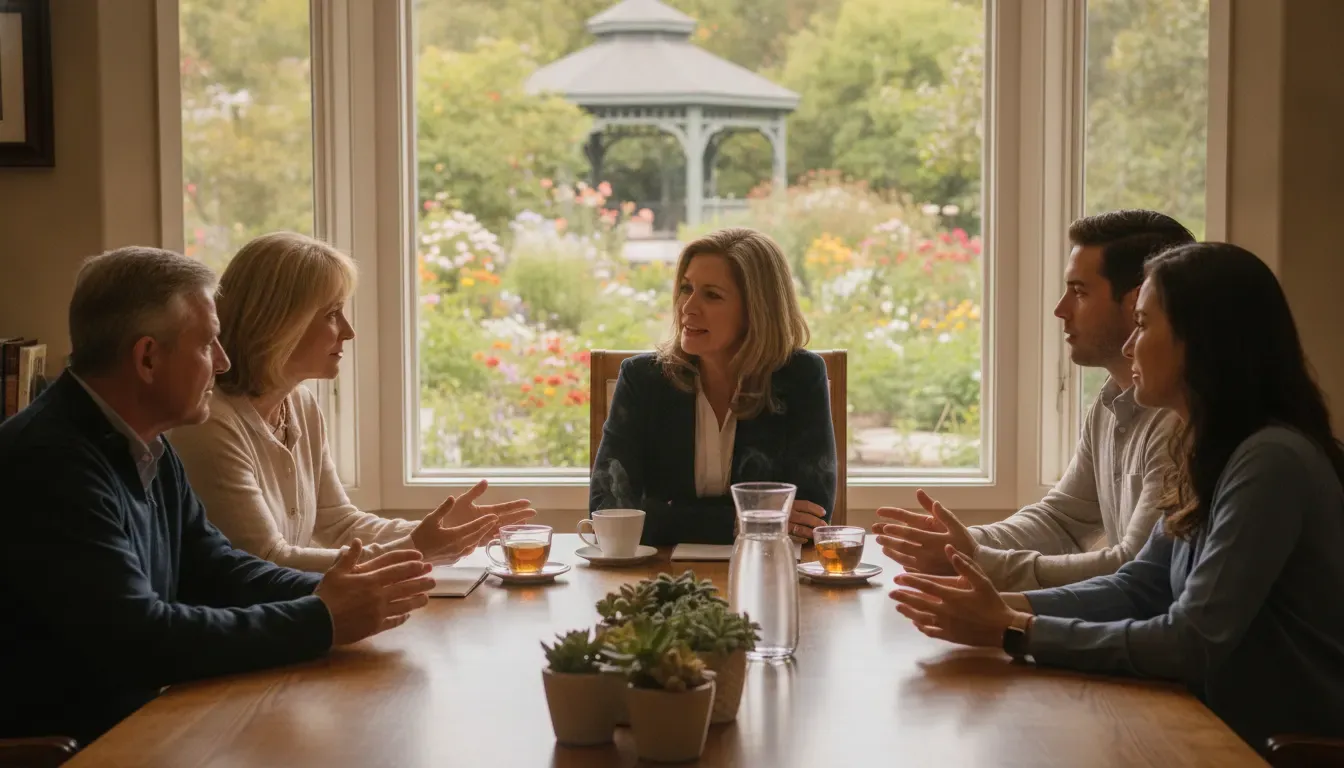
What should California families look for when choosing counsel for charitable giving?
Answer in brief: Look for a lawyer who combines trust drafting with estate-planning judgment, communicates tradeoffs clearly, knows when to bring in tax and financial professionals, and can explain who will administer the trust after signing.
Search results may use the labels charitable trust lawyers, charitable trust attorneys, or charitable giving lawyers. The label matters less than the lawyer’s process and demonstrated ability to handle the whole planning problem. During your research, evaluate these areas:
- Relevant planning experience. Ask whether the lawyer has ever represented trustees of charitable trusts because the best way to understand planning better is to see how it works out years later. How big is the law firm? Many estate planning lawyers at smaller firms or solo practitioners have never worked with irrevocable trusts, charitable planning, or closely held businesses. Are there any State Bar certified specialist attorneys in estate planning, trusts and probate at the firm? Experience should be relevant to the assets and decisions involved, not just a general statement that the firm handles estate planning.
- California perspective. California residents need a California attorney. Even out of state residents need a California attorney if they are working with California property, a California business, or possibly a California charity. Ask how California law, property ownership, community-property issues, local fiduciary duties, and the chosen charity affect the plan. A national article can explain a structure, but it cannot replace California-specific advice.
- Team coordination. A charitable trust can require input from a CPA, financial advisor, valuation professional, insurance advisor, or charity representative. Your lawyer should say which questions belong to each professional and how information will be shared.
- Administration support. Ask whether the firm can advise a trustee after funding, during distributions, after a beneficiary’s death, or when a charity changes its status or contact information. Drafting is only one stage of a trust’s life.
- Plain-language communication. You should be able to describe who receives what, when, and under which conditions without relying on unexplained legal shorthand.
- Transparent scope and billing. Confirm what the engagement covers, which services are separate, how outside professionals are handled, and whether future amendments or administration are included.
Lawvex emphasizes educational resources, understandable planning, and transparent value-based pricing. You can learn more about the firm’s approach on The Lawvex Difference and compare the firm’s broader estate and business planning practice areas.
What tax and administration questions should you ask?
Answer in brief: Ask what assumptions support the proposed tax treatment, who will calculate and report trust activity, how distributions will be characterized, and what happens if the assets, beneficiaries, charity, or family circumstances change.
Educational articles often describe a charitable trust as tax-efficient. That phrase is too broad to guide a real decision. The result can depend on the asset, basis, valuation, payout design, beneficiary ages, timing, income, charitable organization, applicable tax rules, and later administration. A qualified charitable trust lawyer should explain the broad tax concepts, risks and benefits and then identify the questions that require a tax professional rather than promising a deduction or a tax saving.
For a charitable remainder trust, the IRS explains that beneficiary payments are taxable and reported through Schedule K-1, and that the trust generally files Form 5227 each year. The IRS also states that the charitable deduction is limited to the present value of the charitable organization’s remainder interest and subject to additional limitations. Review the text of 26 U.S.C. Section 664 and the current IRS guidance with your advisors, because a statute or summary cannot calculate your personal result.
California administration can raise its own questions. If a trustee is holding charitable assets in or from California, the California Attorney General’s Registry may be relevant. The Attorney General’s initial registration guidance describes registration and reporting obligations for covered charitable trustees and entities. Whether a particular trust or event triggers a filing is a fact-specific question for counsel, not a conclusion to draw from this article.
Before choosing charitable trust lawyers, ask for direct answers to these questions:
- Which assumptions are you making about the assets, valuation, payout rate, and charitable remainder?
- Who will prepare tax returns, valuations, beneficiary statements, and other required reports?
- Which professional is responsible for tax advice, and how will the final legal document reflect that advice?
- Who can serve as trustee, and what skills, compensation, records, and successor process will be needed?
- What happens if the selected charity merges, loses eligibility, changes its mission, or can no longer accept the gift?
- How will the plan be reviewed if the client sells an asset, moves, divorces, experiences a major health change, or changes charitable priorities?
These questions are not designed to make the process intimidating. They help you distinguish a carefully coordinated plan from a document that leaves important work to the family later.
Call Lawvex at 1 (888) 308-7003 or contact the team online to discuss your planning questions.
When are charitable trust lawyers the right next step?
Answer in brief: A consultation may be worthwhile when you have a genuine charitable objective, a complex or appreciated asset, a family income or legacy question, or uncertainty about how a proposed trust would be administered.
Consider speaking with counsel before taking action if any of these situations apply:
- You want a charity to receive a meaningful future interest, but you also need to understand possible income or family benefits.
- You are considering transferring low-basis securities, real estate, or a business interest and do not know which professionals must review the transaction.
- Your existing estate plan names a charity but does not explain the asset, timing, trustee powers, or backup plan clearly enough for your family.
- You are a trustee or beneficiary and need help understanding administration, notices, records, distributions, or a proposed change.
- You are comparing a charitable trust with a direct gift, a bequest, a donor-advised fund, or another structure and want the comparison tied to your actual goals.
Not every family needs a charitable trust. The right counsel should be willing to say when a simpler plan is a better fit. A consultation can be useful even when the conclusion is to revise an existing will or trust, coordinate beneficiary designations, or make a direct charitable gift instead.
What should you bring to an initial consultation?
Answer in brief: Bring a clear description of your charitable goals, an inventory of major assets and ownership, your current estate-planning documents, beneficiary information, and the questions you want answered.
You do not need a perfect balance sheet before making an appointment. A useful starting packet may include:
- Your will, trust, powers of attorney, health care directive, and recent amendments.
- A high-level list of real estate, investment accounts, retirement assets, business interests, life insurance, and significant personal property.
- Approximate acquisition dates and cost basis information for assets being considered, if available.
- The names and contact information of intended beneficiaries and charities, plus any restrictions the charity has communicated.
- Recent tax returns or a note that a CPA should be included in the discussion.
- A short statement describing what you want the gift to accomplish and what you want to preserve for your family.
For families in California through remote consultations, including clients near our offices in Clovis, Madera, and Solvang, Lawvex can help connect charitable goals with a broader estate and business plan. Its trust administration attorneys can also help families think about the work that follows a death or a change in trusteeship.
Talk with Lawvex at 1 (888) 308-7003 about choosing counsel for your charitable trust plan.
Frequently asked questions about charitable trust lawyers
Answer in brief: The best counsel is not defined by a title alone. Choose a California estate-planning lawyer who can explain the structure, coordinate tax and financial advice, and support responsible administration.
What type of lawyer is best for a charitable trust?
Look for an estate-planning or trust attorney with specific experience in charitable planning and the asset types involved. The lawyer should be comfortable coordinating with tax and financial professionals and explaining fiduciary administration. A general document service may not provide the same planning and follow-through.
Are charitable trusts irrevocable?
Charitable remainder trusts are generally irrevocable, meaning transferred assets cannot simply be taken back. That is one reason the decision should follow careful review of goals, beneficiaries, assets, and alternatives. Other charitable arrangements have different rules, so ask counsel to identify the exact structure before signing.
How much does a charitable trust lawyer cost?
There is no reliable one-size-fits-all price. Unlike basic estate planning, which is typically a fixed fee, charitable planning is generally done on a time and materials basis. Scope can change based on the type of assets, valuation, tax coordination, trustee structure, charitable organizations, and administration support required. Ask for a written explanation of what the engagement includes, what is billed separately, and what future work may cost.
Can a charitable trust reduce taxes?
Some charitable trust structures can have tax consequences that may be favorable in particular circumstances, but no article can predict an individual’s result. The IRS rules address deductions, beneficiary payments, reporting, and limitations. Ask the lawyer and tax professional to explain the assumptions and risks rather than relying on a promise of savings.
Should I choose a charitable trust or a direct charitable gift?
That depends on whether you need a future charitable interest, lifetime payments, family planning, asset management, or simply a current gift or bequest. A careful comparison may show that a direct gift or another charitable vehicle better matches your purpose. Complexity is not a benefit by itself.
Estate-planning information is educational and general. It is not legal, tax, or financial advice and does not create an attorney-client relationship. Laws and individual outcomes vary. Consult qualified professionals about your specific circumstances before creating, funding, or changing a charitable trust.