Estate Planning for Artists California: Protect Your Creative Legacy
July 20, 2026
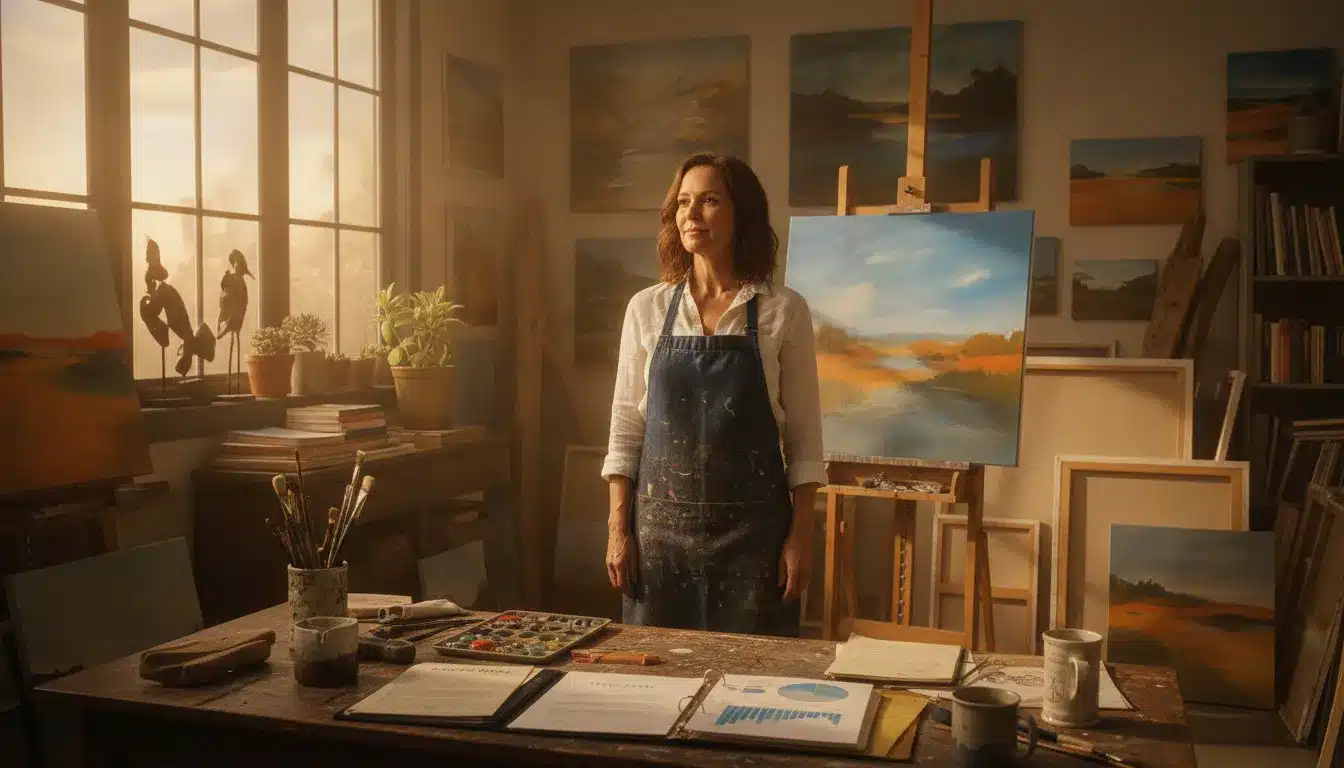
An artist’s lifetime of work can disappear into California probate courts without a proper plan. Guarding your unique art takes more than a simple, one size fits all will.
Estate planning for artists California style must protect your unique intellectual property and physical art from the slow, public process of probate. Under California law, your copyrights, licensing contracts, and physical artworks are core business assets. You should place them in a living trust to ensure they pass smoothly to your heirs. Also, under California’s unique right of publicity laws, your name, image, and likeness are rights you can pass to your heirs. By putting these creative assets in a trust, you can manage your future royalties and secure your family’s future. At Lawvex, our careful planning gives you complete confidence that your life’s work will be kept safe exactly as you intended. It keeps your creative vision and your loved ones safe from future legal drama.
But how do you build a plan that handles both your physical assets and your copyrights? To protect your creative legacy, you must face a key question. Why Do Artists in California Need a Different Estate Planning Strategy? Lawvex’s California guidance on estate planning for California artists is now clear and current.
Estate Planning For Artists California: Why Do Artists in California Need a Different Estate Planning Strategy?
Answer in brief: California artists need a special plan because their assets are unique. Standard plans often overlook art works like copyrights, royalty streams, and likeness rights. At Lawvex, we help artists build tailored estate planning strategies. These plans protect your intellectual property, manage community property rules, and secure your digital works for heirs.
Copyrights as core assets
Artists must treat their intellectual property as a core business asset. You should list every copyright and licensing contract to ensure they stay safe. If you do not place these rights in a trust, they can get stuck in probate court. Probate is slow, costly, and open to the public.
Copyrights can last for a long time. In the United States, a copyright lasts for the author’s life plus seventy years. This means your heirs can earn money from your art for decades after you are gone. Proper planning ensures these cash streams are paid out correctly.
Valuing art is hard because art has no fixed price. The worth of a painting, book, or song can change fast. It can even rise after you pass away. A custom plan with Lawvex helps your heirs find the true value of your work. This step prevents tax drama and keeps your legacy alive.
Community property complications
In California, marriage changes how you own what you make. Under California Family Code Section 760, works you create during a marriage are community property. This means your spouse may own half of your copyrights and royalties. If you want to leave your art to someone else, this rule makes things complex.
Without a trust, probate court must divide your shared assets. A judge will look at all the work you made during your marriage and split its value. This process can force your heirs to sell your art or split licensing profits. A trust allows you to set clear terms and keep your art intact.
You can make specific legal plans to handle these rights. For example, couples can sign agreements to keep assets separate. At Lawvex, we work with you to map out who owns what. We help you and your spouse agree on a plan that is fair and clear to avoid future family fights.
Publicity rights and digital art
Your name and likeness also have value. In California, your right of publicity protects how people use your name, image, and voice. Under California Civil Code Section 3344.1, this is a property right that survives your death. Your heirs can pass it on, own it, and control its commercial use.
Modern artists also have digital assets. These include online art shops, crypto-art, and NFTs. You must list these assets in your estate plan. If you do not share your online passwords and keys, these digital works can be lost forever. A clear plan ensures your heirs can access and manage your digital legacy.
Putting Intellectual Property Into Your Living Trust
Answer in brief: Intellectual property must be put in your living trust to protect your creative works and avoid probate. A living trust ensures that copyrights, licensing rights, and royalty streams transfer smoothly to your heirs without California court delays.
When it comes to estate planning for artists California creators must think about more than physical art. Your estate also includes your intellectual property, like copyrights, trademarks, and licensing contracts. If you do not plan ahead, these creative assets can end up in a legal mess after you pass away.
The risk of California probate
Leaving your copyrights and licensing contracts outside of a trust will trigger California probate. Probate is a public and slow court process. It can freeze your work and stop your heirs from using it. This delay often hurts the market value of your creative assets. Lawvex can help you set up a plan to bypass this court process.
A living trust keeps your assets private and out of court. Under California law, intellectual property is a key asset that needs a clear plan. With a trust, your heirs can take control of your works right away. This is why estate planning for artists is so vital to protect your legacy.
Managing royalty and licensing streams
Royalty streams from books, songs, or art designs can continue for decades after your death. If you do not have a trust, these payments may stop during probate. A trust acts as a smart manager for your licensing income. It ensures that the funds are gathered, tracked, and sent to your family.
The team at Lawvex knows how complex these royalty streams can be. We work with you to make sure your licensing contracts pay out to the right people. This keeps your cash flow active and supports your loved ones when they need it most. You do not want your family to lose out on your hard work.
Establishing provenance and clear ownership
To fund your trust, you must write down the provenance of your works. Provenance is the history of who owned each piece. Correct ownership history is a key part of finding the fair market value of your collection. You should keep clear records of all sales, shows, and copyright papers.
Clear records are also crucial when it is time to value your art for tax purposes. According to the IRS personal property guidelines, appraisals must be highly accurate. Without proof of ownership and value, your estate could face heavy taxes or fines. Lawvex can help you sort these files to protect your life’s work.
Understanding California’s Right of Publicity Laws
Answer in brief: In California, your right of publicity is a property right that survives your death. This means your heirs can control and profit from the commercial use of your name, image, and likeness. By setting up a trust with Lawvex, you can manage these rights and keep your family out of court.
Post-mortem publicity rights in California
Your likeness is a prized asset just like your art. In California, the right of publicity protects how people use your name, image, and voice. This right does not end when you die.
Instead, California law treats your likeness as a property right that survives death. This means your heirs can control the commercial use of your name and likeness after you pass. Lawvex can help. Our team can protect your rights so your legacy stays safe.
California is highly protective of creative workers of all ages. For example, under California legislative standards, even young artists have trust rules to protect their earnings. For adult artists, the right of publicity provides a similar shield. It ensures that no business can use your face or name to sell products without consent from your heirs.
Structuring likeness rights in a living trust
If you do not plan ahead, your creative rights can end up in probate. This process is slow and public. To avoid this, you can put your right of publicity into a living trust.
Using a trust is a key part of estate planning for artists in California. Lawvex can help you fund your trust so your licensing deals transfer smoothly to your loved ones without court delays.
You can state exactly how you want your likeness used inside your trust. For example, you can choose which brands use your name. When protecting creative assets in California, finding a strong manager is vital. Lawvex guides you with clear, fixed-fee plans.
Managing rights for famous versus emerging artists
Even if you are not a famous star, you can protect your likeness using simple legal tools. While a famous artist may have active deals, a lesser-known artist might see their work grow in value later. In both cases, a solid plan ensures your family gets the rewards of your work. Our team serves families in Clovis, Madera, and Solvang with customized planning.
| Creative Asset | What It Protects | Post-Mortem Control |
|---|---|---|
| Likeness rights | Name, voice, signature, and image | Heirs or trust beneficiaries |
| Copyrights | Original creative works of art | Designated copyright owners |
| Physical artwork | Tangible paintings or sculptures | Named people or museums |
Valuing Creative Works for Estate Tax Purposes
Answer in brief: Valuing art for estate tax in California needs a qualified appraisal to find fair market value. The IRS Art Appraisal Services reviews these claims, and works worth more than $150,000 are reviewed by the IRS Art Advisory Panel. Unfinished works must be valued too. Homeowners and artists in California can also get a tax exemption if their art is shown in public museums for at least 90 days.
How the IRS reviews art value
When you explore estate planning for artists, California offers specific legal protections but also strict tax rules. The federal estate tax is based on the fair market value of your assets at the time of your death. For creative professionals, this means the IRS will look closely at the value of your art collection.
To verify these values, the IRS Art Appraisal Services reviews the fair market value claimed in federal estate tax cases. If your estate includes single works of art worth more than $150,000, they go to the IRS Art Advisory Panel for a full review. This panel of experts helps the government spot pieces priced too low.
The need for a qualified appraiser
You cannot just guess what your art is worth. The IRS demands an official appraisal from a qualified appraiser who has real expertise in fine art. A qualified appraiser must have proven training and experience in valuing the style of art you create. Using a general appraiser who does not know fine art can lead to major audits and tax penalties for your family.
At Lawvex, we help you find the right experts to value your physical art and copyrights. This ensures your plan is built on solid facts that can withstand tax audits.
Unfinished works and museum exemptions
Valuing finished art is hard enough, but artists often leave behind unfinished works when they pass away. These unfinished pieces must also be listed and valued for your estate plan. Their value can change a lot after your death, so your appraiser must look at their chance to grow in value. Lawvex can help you list and protect these unfinished assets so your heirs do not face tax surprises.
But there is good news for California artists. The state offers a California property tax exemption for art shown in public museums. To get this, the art must be on display for at least 90 days a year. The museum itself must also meet state rules, such as being open to the public for at least 20 hours a week.
Managing Royalties and Licensing Revenue for Your Heirs
Answer in brief: You can protect your legacy by putting your royalty and licensing rights into a living trust. A trust acts as a skilled manager to collect, track, and pay out these funds to your heirs without the delays of probate. Since these income streams can continue for decades, you should review your plan every three to five years.
How royalty streams continue for decades
Many artists and creators do not know how long their work can make money. After an artist passes away, their royalty streams and licensing payments can continue to flow for decades. This long-term wealth can support your family for years to come. But without a clear plan, these prized income streams can get stuck in the public court process known as probate. Probate is slow, costly, and hard on families.
To prevent this, you can use a living trust. A trust ensures these revenues go directly to your chosen heirs without any delays. This means your family can access the funds they need right away. A key part of estate planning for artists in California is moving your copyrights and contracts into a trust.
Trusts as skilled revenue managers
Licensing a song, a book, or a painting can be very tough. Your heirs might not know how to handle ongoing licensing deals or track payments. A trust can act as a professional manager for your ongoing licensing revenue. The person you name as your trustee will collect, track, and give out these funds to your heirs. They can handle audits, deal with agencies, and ensure your heirs get paid on time. Lawvex can help you set up a trust that details exactly who gets what share of your work.
When an artist passes away, their art rights must also be valued for tax reasons. This is true for estates with global licensing deals. The IRS Art Appraisal Services reviews the fair market value claimed for assets in federal estate tax cases. A qualified appraisal helps protect your family from tax penalties. Having a clear trust structure helps your estate withstand this level of federal scrutiny.
Why you should review your plan regularly
Your creative work is not static. Your portfolio grows, your business expands, and tax laws change. Because of this, you should review your estate plan every three to five years. You should also update your documents whenever you sign a major new licensing contract. These reviews keep your plan current. Regular updates ensure that your trust always aligns with your goals and protects your family from unexpected drama.
Just like real estate owners need custom plans, creative professionals need tailored estate planning strategies to protect their future earnings. A good plan gives you peace of mind. Lawvex focuses on helping California artists set up clear, drama-free plans. Schedule a free consultation today to protect your creative legacy.
Building Your Artist Estate Plan Step by Step
Creating an estate plan is a vital task for any creative professional in California. If you do not write down your wishes, state law will dictate who gets your life’s work. By setting up a clear plan, you can protect your copyrights and keep your family out of court.
This makes sure your creative voice lasts for years to come. We know you want to protect your family and avoid stress when life changes. Lawvex works with painters, writers, and musicians to design plans that protect their unique assets.
First phases of planning
To secure your work, you must follow a clear path. This step-by-step roadmap shows how to protect your art and make sure your heirs get the full value of your creative life.
- Inventory your creative assets. Write down every piece of art, manuscript, or recording you own. This list must include your physical art and your intellectual property rights, such as copyrights and licenses.
- Value your collection. Work with a qualified appraiser to find the fair market value of your work. You should choose an appraiser with the right training to meet IRS appraisal standards.
- Appoint an experienced manager. Choose a trustee and a literary or artistic executor who understand your industry. Under a custom estate planning for creative professionals approach, you need a manager who knows your industry. This helps keep your creative legacy intact.
- Fund your living trust. Transfer your copyrights, licenses, and contract rights into a trust. Leaving these rights outside of a trust can trigger a long, public probate process in California. This can harm the value of your art.
- Create a legacy foundation. Think about your long-term goals for your art. You can set up a charitable legacy foundation to protect your creative vision and support other artists after you pass. This is a great way to make sure your work keeps helping the community.
- Document your digital assets. Make a list of your online portfolios, websites, NFTs, and online accounts. Be sure to write down the usernames, passwords, and access instructions so your heirs can find and manage your digital files. Without this info, your heirs may lose access to your digital art forever.
- Update your plan regularly. A good plan is not a static document. You should review and update your estate plan every three to five years. Also do this if your business grows, to make sure it still fits your goals.
Professional support for artists
Developing an effective estate plan is a key part of protecting creative assets in California. Lawvex helps local artists in Clovis, Madera, and Solvang navigate these complex issues.
The team at Lawvex acts as a guide to connect you with specialized intellectual property counsel. With the right legal support, you can build a secure plan that gives your family peace of mind and a drama-free inheritance. Contact us today to start your plan with confidence.
Frequently Asked Questions
What is the role of an artistic executor in California?
An artistic executor manages your creative assets when you pass away. Standard executors handle bank accounts or homes, but an artistic executor manages your intellectual property. They handle your copyrights, licensing deals, and art sales. This person should understand your creative field and know how to work with publishers, galleries, or music labels. Choosing someone with this special skill helps protect your creative legacy and ensures your heirs get their royalties.
What happens to unfinished works of art after an artist passes away?
Unfinished works are part of your estate. They must be valued if your estate is large enough to owe taxes. The IRS expects these pieces to be listed and valued at their fair market value. An appraiser will look at how close the work was to being done. It is smart to leave clear instructions in your living trust. Tell heirs if they can finish, sell, or destroy these unfinished works to avoid family fights.
Can a spouse claim copyrights under California community property law?
Yes, a spouse can claim copyrights under California community property laws. Any creative work you make while married is usually owned by both you and your spouse. This means your spouse may have a right to half of the copyright or the royalty income. If you want to leave your art rights to someone else, you need a written agreement with your spouse. The team at Lawvex can help you draft this agreement to avoid future fights.
How can California artists get a property tax exemption for displayed art?
You can get a property tax exemption if you put your art on display in a public museum. Under rules from the California Board of Equalization, the art must be on display for at least 90 days a year. The museum must be open to the public for at least 20 hours a week and 35 weeks a year. Art kept in a private business or office does not qualify.
Ready to protect your California creative works and legacy?
Without a customized estate plan, California state courts and default laws will dictate who owns and manages your creative works after you pass away. This lack of control can easily lead to costly legal disputes among your family members and drain the long-term value of your portfolio. Starting your planning process with our team today ensures your artistic assets remain secure while your loved ones receive your royalty payments without delay.
Our legal team at Lawvex is ready to help you safeguard your assets and simplify the inheritance process for your family. We offer convenient remote consultations and clear, fixed-fee options to all California families statewide. Ready to protect your creative legacy? Call 1 (888) 308-7003 to schedule a free consultation.