Family Succession in California: A Practical Guide
September 22, 2026
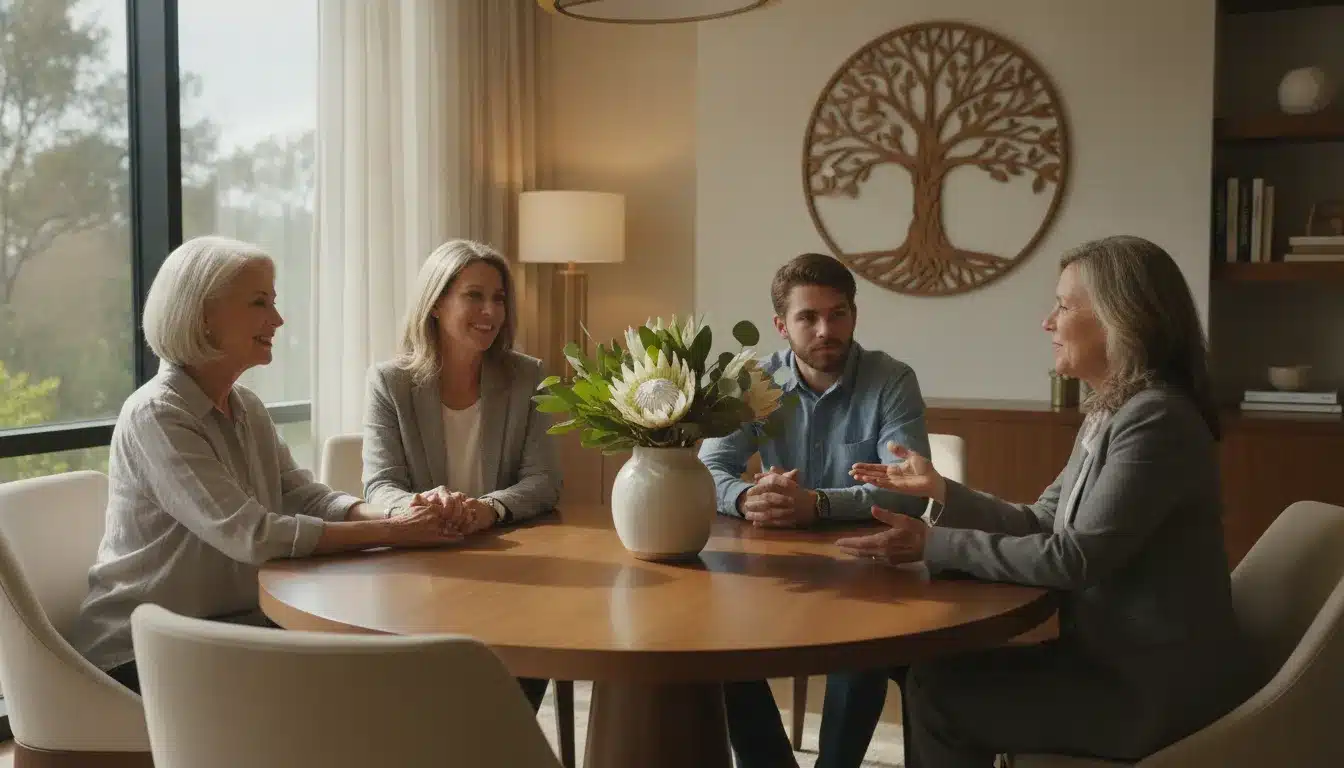
When a California family talks about “who gets what,” the hardest questions are rarely limited to money. They may involve a home, real estate, caregiving, decision-making authority, and family relationships. A thoughtful plan connects those pieces before retirement, death, disability, or another unexpected change forces rushed decisions.
Talk with Lawvex at 888-308-7003 about your family’s planning goals.
Answer in brief: Family succession is a coordinated process for transferring ownership and wealth while aligning estate documents, family governance, successor roles, and communication. It can include a business transition, but it is broader than a narrow business succession plan. The right structure depends on your assets, relationships, and goals.
In California, that broader view helps families see how personal estate planning and ownership decisions fit together. Start by clarifying what family succession means, what it does not mean, and which conversations belong at the center of the process.
What Does Family Succession Mean in California?
Answer in brief: Family succession is the planned transfer of responsibilities, benefits, ownership, or decision-making from one family member to another. In California, the broader conversation may connect personal estate planning, family communication, and ownership transition. It is not limited to choosing the next manager of a family business, and it should be treated as an ongoing process rather than a single event.
At its simplest, family succession describes what happens when a person transfers obligations or benefits to a family member because of illness, death, retirement, or another significant change. That transfer might involve responsibility for a home, investment property, family enterprise, professional practice, or care-related decisions. The details depend on the family’s relationships, assets, goals, and the event prompting the transition. A useful plan makes those connections visible before a crisis forces the family to improvise.
A broad plan may need to answer several separate questions:
- Who can make financial or health decisions if an owner cannot act?
- How will a home, rental property, or other real estate be managed or transferred?
- Which family members should receive assets, and under what conditions?
- How will the family communicate when circumstances change?
California families often use the phrase in two different ways. In the narrower business context, succession planning focuses on preparing for a transition of business ownership and leadership. A family business may eventually pass management to a child while ownership is divided differently among heirs, or ownership may remain within the family while day-to-day leadership changes. Those questions matter, but they represent only one part of the broader picture.
Broad family succession also asks how personal assets, family responsibilities, and important decisions will move between generations. Personal estate planning may need to align with ownership transition, particularly when a family owns a business, real estate, or other complex assets. Lawvex describes this connection as part of planning across the generational wealth journey, alongside estate planning, business succession, trust administration, and probate. California estate planning guidance can help families understand how those areas fit together.
That distinction is important because legal documents do not replace family communication or governance. A trust, will, or ownership document may express a plan, but family members still need clarity about expectations, roles, and how decisions will be handled. A broad plan can also account for blended families and multiple generations, where inheritance structures and competing needs may require especially careful discussion.
For that reason, family succession is best viewed as a continuing framework. It can identify who may step into a responsibility, what authority that person will have, how ownership and inheritance relate, and which conversations still need to happen. The goal is not to force every California family into one model. It is to create a thoughtful structure that reflects the family’s circumstances and can be reviewed as those circumstances change.
Which Estate Documents Support a Family Succession Plan?
Answer in brief: A durable family succession plan coordinates your ownership records, trust or will, powers of attorney, health care documents, and beneficiary designations. The goal is not to collect documents. It is to make sure each document reflects the same decisions about who may act, who may inherit, and how important assets should move to the next generation.
Begin with an accurate ownership inventory. An estate can include real property, personal property, money, investments, insurance interests, and your share of property owned with someone else. That inventory should identify how each asset is titled, whether it has a beneficiary designation, and whether it is connected to a business or other ownership structure. Without this information, a family may have a thoughtful plan on paper that does not fully address what the owner actually possesses. A government estate-planning guide describes this broad view of an estate.
For many families, the core documents may include a revocable living trust, a pour-over will, an advance health care directive. Durable powers of attorney, a certification of trust, and assignments or deeds that place appropriate property into the trust. Each serves a different purpose. A trust can express how assets are managed and distributed. A will can address property that is not otherwise transferred through the plan. Powers of attorney and health care documents name people who may help with financial or medical decisions if the owner cannot act. Lawvex describes these documents as parts of a coordinated estate-planning package, not isolated forms. Learn more about family trust and living trust differences.
| Planning tool | Role to discuss |
|---|---|
| Trust or will. | How assets should be managed or distributed. |
| Power of attorney. | Who may help with financial decisions during incapacity. |
| Health care directive. | Who may help with medical decisions. |
| Beneficiary designation. | Who receives an account or policy under its beneficiary instructions. |
Business interests and real estate require an additional alignment check. A family member may be intended to receive an ownership interest, while another person may be expected to manage the business or property. Those roles do not always belong to the same person, and ownership of a business interest may need to be considered separately from the rest of the estate. A written succession plan should align the estate plan with ownership structure and governance documents, rather than leaving the transfer to informal promises. This is especially important when a family includes people who work in the business and heirs who do not.
Finally, review beneficiary designations and the plan’s real-world funding. Retirement accounts, insurance, and other assets may pass under beneficiary instructions, while trust assets follow the trust’s terms. Outdated designations, inconsistent ownership records, or an unfunded trust can undermine otherwise careful planning. Wills and trusts are legal documents, so review them with a qualified lawyer who can evaluate the complete picture and explain which documents apply to your circumstances. The government guide also recommends legal review of wills and trusts. Documents provide structure, but family communication and clear governance remain essential parts of a successful succession plan.
How Should a Family Choose Successors and Set Governance Rules?
Answer in brief: Choose successors using documented skills, experience, interest, and leadership potential rather than birth order alone. Then separate who will lead from who will own and define authority and boundaries. Create a fair decision-making process that includes family members who are not active in the business.
A family succession plan becomes more workable when it distinguishes two questions that are often blended together: Who is prepared to manage an operation. And who should receive an ownership interest or other inheritance? Those answers may point to different people. A capable child may lead a family enterprise without receiving every family asset, while another child may receive value without taking on management responsibilities. Planning for one ownership interest separately from overall estate distribution can make those distinctions clearer without turning the whole plan into a business-succession exercise.
Start by evaluating each potential successor’s interest, current skills, relevant experience, and leadership capability. This is not a contest to reward the most assertive family member. It is an assessment of who is willing and able to carry the responsibilities involved, with room for training or a phased transition. Birth order and gender do not determine leadership ability. A written evaluation can also make the conversation more transparent, even when the family ultimately chooses an outside manager or another ownership structure.
Next, define the role. Put in writing who may make operational decisions, who may approve major transactions. Who owns voting rights, how compensation is determined, and what happens when a person steps away. The successor should have meaningful authority to lead, while the prior generation’s advisory role should have a clear endpoint or defined limits. Written roles and boundaries reduce the risk that informal expectations will compete with the new leader’s responsibility.
Governance can provide structure beyond the legal documents. Some families use a family council or advisory group to discuss shared values, major decisions, education, and communication. Its purpose should be specific: it might recommend policies, provide a forum for relatives who are not involved in daily operations, or establish how disagreements are brought forward. A council cannot guarantee harmony, but regular and defined participation can prevent important concerns from remaining unspoken.
Fairness also needs to be discussed directly. Equal treatment is not always identical treatment. One person may receive ownership because of an active leadership role, while another receives different assets or protections. The reasoning should be considered alongside the family’s estate plan and explained as appropriate. Families can also review how to protect beneficiaries through estate planning when designing protections for heirs.
For families with a company, partnership, or professional practice, ownership structure deserves its own review. A trust or other estate-planning tool may interact with business interests, but it should support the governance plan rather than substitute for one. Lawvex’s guidance on protect business assets in a trust can help frame that discussion. The right rules depend on the family’s assets, relationships, and goals, so the final structure should be reviewed with qualified legal and financial professionals.
How Can Families Prepare for Conflict or an Unexpected Transition?
Answer in brief: Families can reduce uncertainty by discussing succession openly, documenting what happens if a decision-maker dies or becomes disabled. Setting clear roles and milestones, and reviewing the plan as circumstances change. A written plan supports communication, but it cannot replace thoughtful family governance.
Begin with a scheduled family meeting rather than waiting for illness, retirement, or a disagreement to force the conversation. Depending on the situation, the right participants may include family members, senior managers, key employees, and legal, financial, or tax professionals. The goal is not to settle every question in one sitting. It is to identify the decisions that need attention, explain the family’s priorities, and create a shared understanding of what happens next.
At minimum, discuss several contingencies:
- What happens if the current owner or decision-maker dies or becomes unable to lead?
- What happens if a proposed successor withdraws or decides not to continue?
- How will the family respond if conflict disrupts the planned transition?
- What changes if market conditions, the family’s finances, or the ownership opportunity shifts?
An emergency plan can come before the longer-term plan. It should identify who has authority to act, what information must be available, and which professionals or family members should be contacted. Those arrangements should fit with the family’s estate documents and ownership structure. For example, families reviewing LLC and trust ownership rules may need to coordinate entity records with the broader estate plan. A business ownership transfer agreement may also address a specific ownership transition, but it is only one part of a broader family succession plan.
When a transition is expected, consider a phased handoff. The successor can take on defined responsibilities while the current leader remains available for guidance. Write down who owns each decision, where authority begins and ends, and which milestones indicate that the next phase is ready. Leadership and ownership do not always move to the same person, so those roles should be addressed separately.
Finally, schedule regular check-ins after the handoff. Use them to surface concerns early, assess progress, and adjust the approach when facts change. Clear written roles, compensation arrangements, ownership terms, and agreements are safer than relying on family members to remember a verbal understanding. Family succession is a continuing process, not a single meeting or signing appointment.
What Are the First Steps to Build a Family Succession Plan?
Answer in brief: Start by documenting your family’s goals, assets, people, and concerns. Then assess readiness, open a structured conversation, coordinate legal and financial due diligence, and set a recurring review process. A family succession plan is not a single document or one-time event. It is a process that should adapt as family relationships, ownership, health, and priorities change.
Begin with a clear inventory of what you are trying to protect and transfer. List the family’s important assets, obligations, ownership interests, and responsibilities, including homes, investment property, businesses, professional practices, and personal accounts. Note who currently owns each interest, who manages it, and what you hope will happen if the current owner retires, becomes unable to act, or dies. A succession plan can address personal, financial, and business goals, so the first conversation should not focus only on a business handoff.
Next, consider readiness. Potential successors may need different kinds of preparation, and interest alone does not establish readiness. Identify the skills, experience, leadership capacity, and support each person may need. A written readiness assessment can make the discussion more objective and help separate family expectations from actual responsibilities. It can also reveal where training, mentoring, or additional professional experience would be useful.
- Write down the outcomes that matter most to the family, including continuity, stewardship, fairness, and support for relatives who will not be active in an enterprise.
- Identify possible transition scenarios, such as retirement, illness, death, disability, a successor’s withdrawal, or serious family conflict.
- Decide who needs to be included in the conversation and how updates will be shared with family members, employees, business partners, and professional advisors.
Once the goals and readiness questions are visible, create a practical timeline with milestones rather than relying on an informal promise. The timeline may cover leadership development, document review, ownership changes, and follow-up meetings. Your communication plan should be equally specific. Open, scheduled conversations can reduce assumptions, but they should be handled with care when expectations or family relationships are complicated.
Finally, coordinate legal and financial due diligence with the right advisors. An estate planning attorney, accountant, financial advisor, and, when appropriate, a family-business consultant can examine different parts of the plan. Wills, trusts, beneficiary designations, ownership records, and governance documents should work together rather than contradict one another. Lawvex’s comprehensive estate planning checklist can help organize the information you bring to that review.
Schedule periodic reviews and revisit the plan after major family, ownership, health, or financial changes. That review cycle is what turns a thoughtful conversation into an operating plan your family can understand and use. Lawvex can help families organize this review and identify the questions that need individualized legal attention. The office number is 1 (888) 308-7003.
Talk with Lawvex at 1 (888) 308-7003 before your family succession questions become urgent.
Frequently Asked Questions
What is family succession?
Family succession is the planned transfer of responsibilities, benefits, decision-making authority, or ownership among relatives. It can address an expected retirement or a change caused by illness or death. A complete plan connects family communication and governance with the legal documents that support the transition.
Is family succession only for a family business?
No. It can apply to a family business, professional practice, rental property, real estate investments, and personal wealth. Business succession focuses on management and ownership, while broader family succession also considers inheritance, caregiving, family decision-making, and how assets should be managed across generations.
Which documents are usually part of a family succession plan?
The documents depend on the family’s assets and goals, but a coordinated plan may include a revocable living trust, a pour-over will. An advance health care directive, durable powers of attorney, beneficiary designations, and assignments or deeds transferring appropriate property to a trust. Wills and trusts are legal documents, so review them with a qualified lawyer. A government estate-planning guide describes how wills, trusts, gifts, and beneficiary designations can work together.
How can families prepare for disagreements or an unexpected transition?
Start conversations before a crisis, clarify who will make which decisions, and record agreed responsibilities. A written communication plan, regular family meetings, and contingencies for death, disability, or withdrawal can reduce confusion. Legal documents support the process, but they do not replace honest communication or thoughtful governance.
When should a family review its succession plan?
Review it when family relationships, health, assets, business ownership, or goals change, and after major life events. Even without a major change, periodic coordination with legal and financial advisors can help identify outdated beneficiary designations, ownership records, or decision-making instructions.
Ready to Coordinate Your Family Succession Plan?
Family succession planning works best when ownership decisions, estate documents, governance, and communication support the same goals. Lawvex can help you evaluate how those pieces fit together for your California family, including business, real estate, and inheritance considerations. Call 888-308-7003 or use the contact page to discuss your planning goals.
To schedule a conversation with Lawvex, contact our team or call 1 (888) 308-7003. This article is for educational purposes only and is not legal advice.